I have trained for and completed ten half marathons, but nothing has been able to physically or mentally prepare me for the iGEM Giant Jamboree.


This blog is where we share stories, announcements, and insights from around the iGEM community.
I have trained for and completed ten half marathons, but nothing has been able to physically or mentally prepare me for the iGEM Giant Jamboree.
iGEM is many things, but here’s one that matters a lot to me: iGEM is an invitation. For many people, in many places around the world, an encounter with an iGEM team will be their first encounter with synthetic biology. The work that iGEM teams do to make synthetic biology accessible and understandable is an invitation extended: come, join us, tell us what matters to you. Let’s change the world together.
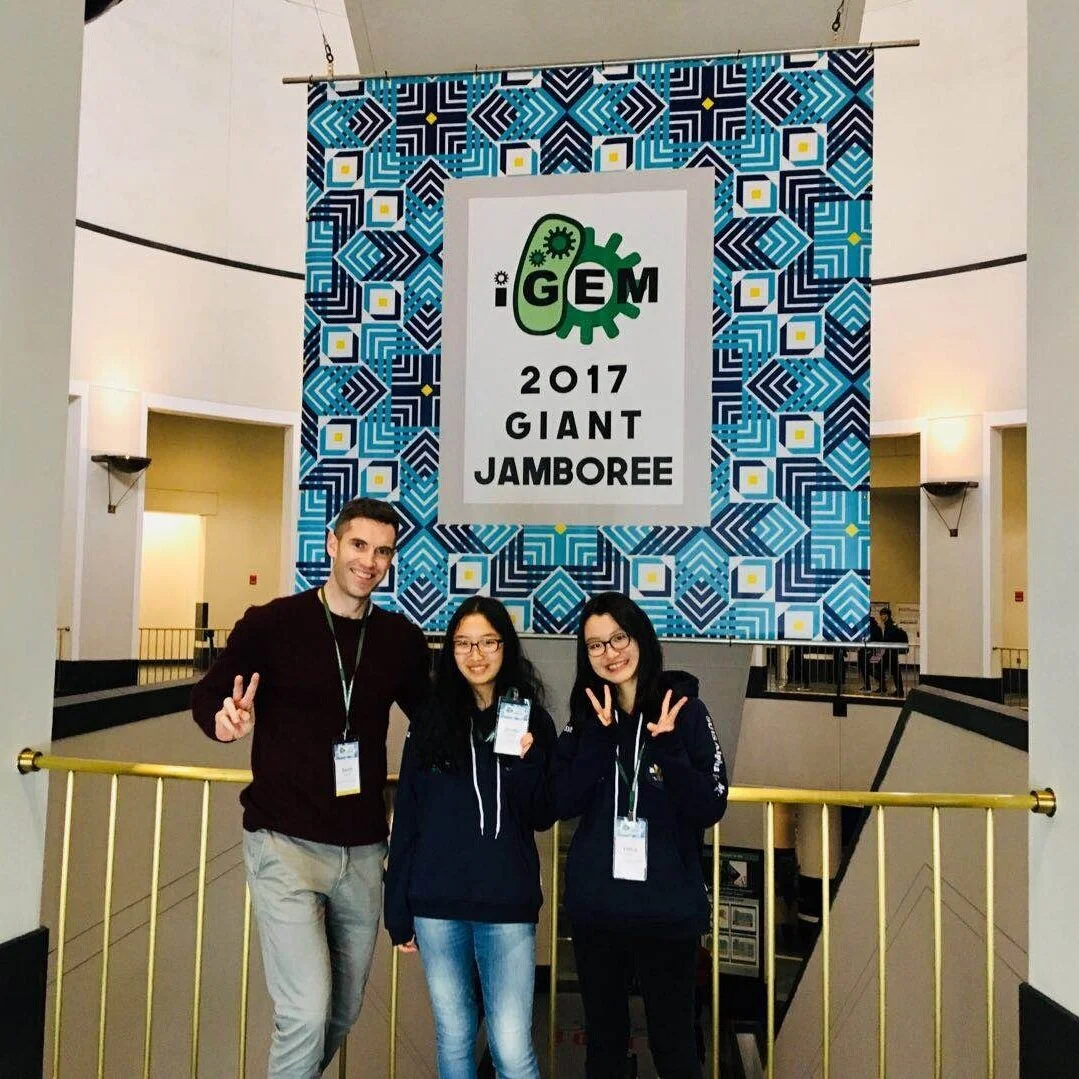
“What do you think of when I say engineering?,” asks Mr. David Doyle, lead instructor for the Shanghai United International School (SUIS) iGEM Team. Students typically respond with areas such as electrical, industrial, or computer engineering, but do not make the connection between engineering and biology.
As we found out explaining a synthetic biology project was not an easy task. The field itself is an integration of disciplines, and relies heavily on metaphors to make it more understandable. In areas where the boundaries between disciplines are a bit bold, it is a challenge to explain the disciplinary overlap that exists within and through Synthetic Biology. But beyond that, we noticed that there is a bigger challenge and that lies in the language, the one which makes the spoken be easily heard.
During iGEM 2017, the pages were so popular that we created the “Meme of the week” challenge, where iGEMers could submit memes and the best one would win the honour of being posted the following Monday. For a short period, iGEM Memes even had more followers on Instagram than iGEM HQ!
It is my privilege to serve as guest editor for iGEM Digest, and former iGEM instructor. I hope the Digest will help recruit new students and mentors to form future teams, serve as a platform to share both success stories and resources to overcome challenges, demonstrate how iGEM can be career-changing or in some cases career-defining, and to remind us that science should be driven by the outward motivation of benefiting others.
Our Cornell University-based global communications initiative seeks to empower champions across all fields to create a global network of farmers, scientists and other advocates who support science-based decision-making.
As 2019 draws to a close, all of us at iGEM HQ wish to express our appreciation for the many people who have dedicated their time, work and support in helping advance the use and development of synthetic biology for the benefit of future generations.
The iGEM Foundation and Benchling share many similar goals — empowering scientists, building community, fostering collaboration, pushing the envelope in biology.
iGEMers continue to innovate and build upon the ideas and proofs of concept they tested in the competition. And to foster this innovation, iGEM is officially launching its own Entrepreneurship Program.
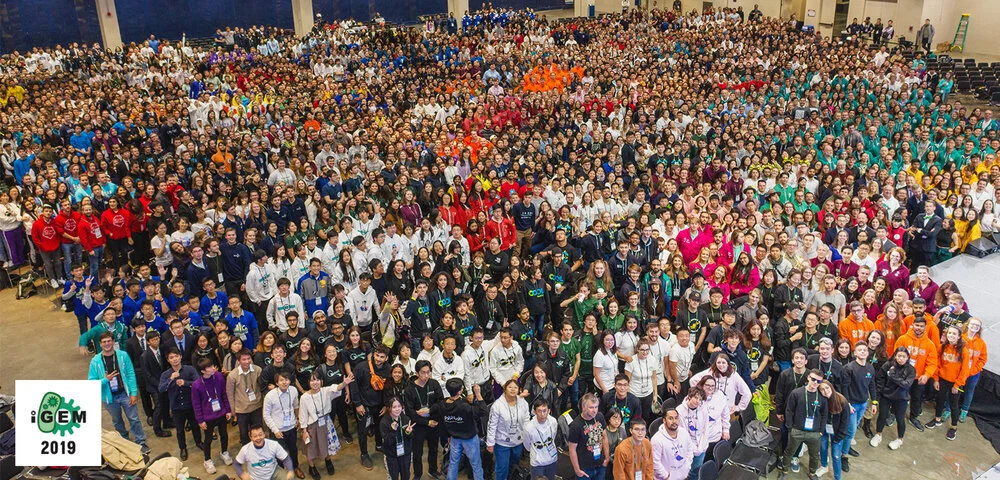
The Giant Jamboree is the culminating event of iGEM’s annual synthetic biology innovation competition for collegiate and high school students, and the largest synthetic biology innovation event in the world.
As the eve of the 2019 Giant Jamboree approaches, it’s a good time to reflect on the continued evolution of the International Genetically Engineered Machine (iGEM) Foundation.
As a young, confused, and gay teenage boy living in the Danish countryside, I had very few role models: people I could relate to and people who were like me.
If you have been following iGEM for a while, you’ve probably already heard about Ginkgo Bioworks,…
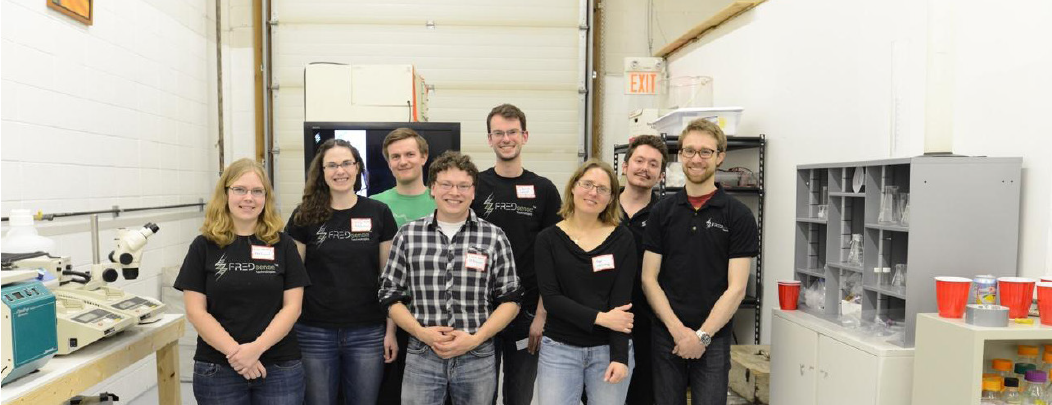
An Interview with David Lloyd to hear about his iGEM experience and how an iGEM project led him and his teammates to found FREDsense Technologies.
A synthetic biologist, community organizer, musician, and photographer, he currently serves at the Director of MIT Media Lab’s Community Biotechnology Initiative (CBI) which explores the interface between Biotechnology and Community.
Have you ever dreamed of going to space? Wondered what is it like to be in a zero gravity environment? Last summer, students from 4 universities across Canada were selected for an experience of a lifetime. They were chosen to design an experiment to test in zero gravity.