Welcome!
This blog is where we share stories, announcements, and insights from around the iGEM community.

This blog is where we share stories, announcements, and insights from around the iGEM community.
Explore by topic:
Entrepreneurship | Design League | Diversity & Inclusion | Biosafety & Biosecurity | Judging in iGEM | Project Inspiration | Sustainable Development Goals | Human Practices | How to iGEM
When iGEM was featured on 60 Minutes this Fall, it marked a milestone for synthetic biology and for youth-led innovation. To be featured on such a stage is rare. To have the focus be an iGEM Team’s process as they push the boundaries of synthetic biology is quite extraordinary!
When iGEM was featured on 60 Minutes this Fall, it marked a milestone for synthetic biology and for youth-led innovation. To be featured on such a stage is rare. To have the focus be an iGEM Team’s process as they push the boundaries of synthetic biology is quite extraordinary!
Professor Yizhi ‘Patrick’ Cai, of the University of Manchester, credits iGEM for introducing him to synthetic biology and giving him the experience, colleagues and connections necessary for a successful academic career. Here, Professor Cai describes his many and varied iGEM experiences that helped shape and influence his career, and offers insights into the future of synthetic biology for the iGEMers of today.
Art and design can enable new possibilities for the future of synthetic biology. How could your team unleash its creativity in advancing synthetic biology innovations? What is your vision for creating new synthetic biology solutions with art and design?
2024 was another record-breaking year for iGEM, with all-time highs in the number of people, teams, and organizations participating in iGEM programs. And you - iGEMers - are the ones who made that happen!
2024 witnessed a number of space happenings – from meteor showers, supermoons and the heightened visibility of the aurora borealis, to colossal rocket launches, planetary missions, the first commercial spacewalk and the first sample return from the lunar far side. Yet, among the most exciting space happenings were the accomplishments of the iGEM Space Initiative.
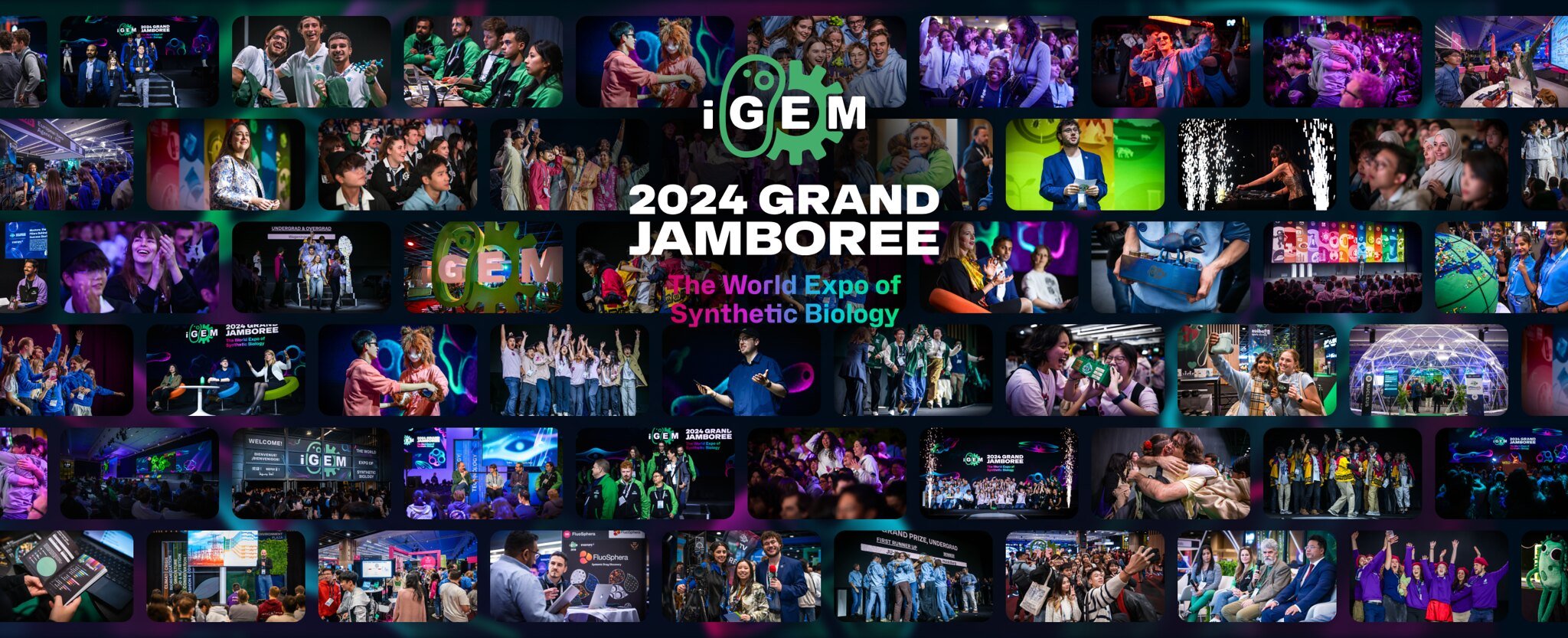
The 2024 iGEM Grand Jamboree revealed a bright future for synthetic biology. With more than 4,500 attendees, including synthetic biology researchers, industry reps, startup founders, investors, journalists, experts in governance and policy, and the general public, the Grand Jamboree was the largest synbio gathering to date.
Asimov has teamed up with iGEM once again to empower the genetic designers who are building the future – you – the iGEMers who are building new solutions with biology for the 2024 Competition. As a platinum partner for 2024, we are thrilled to give back to the community that has helped inspire, support, and connect students with each other to make synthetic biology the technology that will transform the world.
Over the years, different organizational structures have emerged to overcome some of the challenges that are unique to high school teams. In the early years, most high school teams were organized by the high schools themselves or by community labs. In 2020, it came to our attention some high school iGEM teams were being organized by third-party institutions that were building teams for high schools that did not have access to laboratory facilities and/or for high school students who did not have an iGEM program at their own school.
Right now, the world is excitedly watching the Summer Olympics taking place in Paris. For some, the Olympics offer a glimpse of impressive athletes and teams who have committed to their sport to compete at the highest level. In October, there will be another Olympics (of sorts) in Paris, where the participants are no less impressive and no less committed – the iGEM 2024 Grand Jamboree – the World Expo of synthetic biology and the culminating event of the iGEM Competition.
We are thrilled to announce that the iGEM 2024 Grand Jamboree – the World Expo of Synthetic Biology – will once again be held under the High Patronage of Mr. Emmanuel Macron, President of the French Republic, and the Patronage of Bruno Le Maire, French Minister of the Economy, Finance and Industrial and Digital Sovereignty.
In just a few days, we will celebrate the birth of Gregor Johann Mendel, considered the father of modern genetics. Mendel found that each of the traits he studied were inherited as discrete units rather than blended together at each new generation. Those discrete units of inheritance are now known as “genes”, which are made up of sequences of DNA. Today, over two hundred years later, iGEM teams from around the world are engineering sequences of DNA in ways Mendel would never have dreamed – designing, building and testing biological systems to tackle everyday issues facing the world.
Last year was a banner year for high schools in iGEM, with 119 teams participating, each experiencing the joys, frustrations, challenges, and rewards that come from working on an iGEM project. High school teams have been a part of iGEM since 2011, and their numbers have been growing ever since. Yet, because the iGEM Competition was originally designed for collegiate teams, high school teams have been in a perpetual state of experimentation as the elements and format of competition have been adapted to meet the unique challenges of high school teams. This post is the second of a series where we focus on high school teams in iGEM.
Artificial Intelligence (AI) is all over the news, and it's making waves in synthetic biology too. At iGEM, teams are leveraging AI as they push the boundaries of synthetic biology to solve some of the world’s greatest challenges. To give you some background and perspective on how past iGEM teams have incorporated AI in their work, check out these projects.
In 2011, iGEM began an experiment by opening up the competition to high school students. The idea was to see how well these young, ambitious students might respond to the challenges of the competition. The results have been overwhelmingly positive.
Imagine a future where most cancers are prevented or even cured, where there is universal access to early detection and treatment, and where most (all?) cancer patients can expect to live cancer-free without trading the quality of life for length of life. At iGEM, teams are working to create such a future using the tools of synthetic biology. Check out these examples.
Due to their inherent safety, simplicity and portability , cell-free systems have become an increasingly important tool in iGEM and synthetic biology more broadly.
Our world has entered a new era of infectious diseases, where emerging, re-emerging, and endemic pathogens spread quickly, aided by increased international air travel and global warming. At iGEM, teams are tackling infectious diseases by using the tools of synthetic biology to reduce disease transmission, prevent future epidemics and pandemics, and save lives.
The future of the fashion and cosmetics industries may well lie in the hands of the future leaders of synthetic biology. These consumer-driven industries touch the lives of almost everyone on earth, but they also use massive amounts of raw materials and have an immense negative impact on the environment. At iGEM, teams are using synthetic biology to help move the fashion and cosmetics industries into a new, more sustainable, and animal cruelty-free era. Here are just a few examples of iGEM team projects that could usher in the next revolution in fashion and cosmetics.
Have you ever worked on a laptop computer? (perhaps you are reading this post on a laptop right now?) Have you ever used a cell phone to take a picture? Or get directions using your GPS? Have you ever had your temperature taken in your ear? Or lived in a home with a smoke detector? Or rested your head on a memory foam pillow? If you answered yes to any of these questions, then you are the beneficiary of space innovation!
Villages represent the global challenges that iGEMers are most interested in working on, and the solutions that iGEM teams put forth reflect the future of synthetic biology. In keeping with the changing needs of synthetic biology and the interests of the teams, iGEM Villages are constantly evolving. This year, we are introducing three new Villages: : Fashion & Cosmetics, Oncology, and Infectious Diseases.
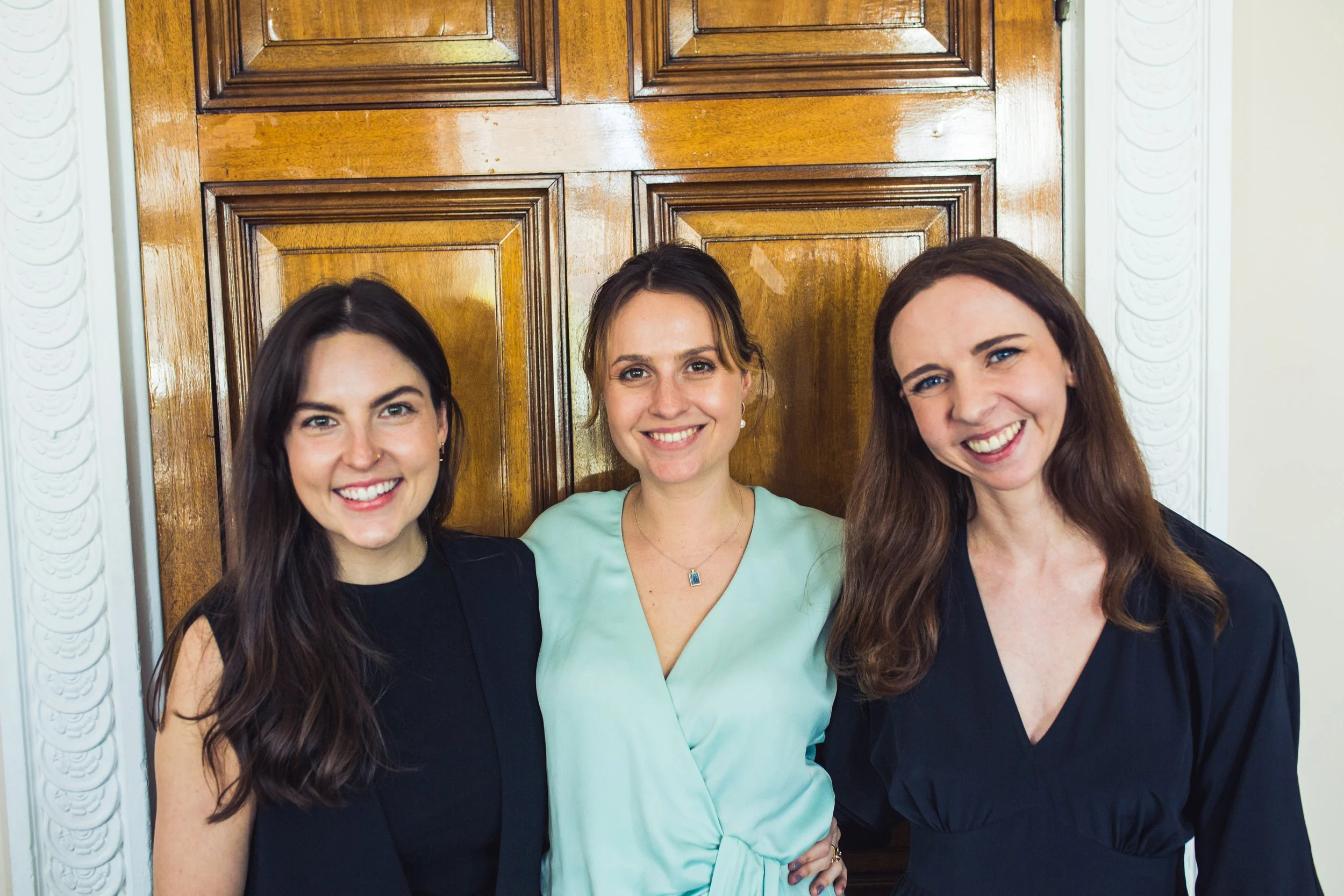
This year, iGEM Startups highlights an iGEM alumna and female founder. Meet Dr. Lydia Mapstone, an alumna of iGEM Edinburgh OG in 2017 and the founder of BoobyBiome, a FemTech startup dedicated to developing an intact breast milk microbiome for babies.
Change happens when people learn about a problematic situation, and assume personal responsibility for acting to correct the situation. iGEM teams do this all the time as they seek to make positive change by addressing problems facing our world using the tools of synthetic biology. But the changes iGEMers seek to make are not solely changes that come about by developing new technologies, they are also changes within our own and the greater synthetic biology community.
Your ideas, your iGEM projects—these could become reality through VCL. If you're uncertain about diving into entrepreneurship or unsure about kickstarting a startup, VCL might hold the answers.
Are you constantly brewing synbio ideas and longing for like-minded discussions? Or perhaps you're eager to meet potential co-founders and delve into the realms of the synbio market? Or maybe you want to discover new career opportunities that lie ahead in 2024?
Starting an iGEM team and getting a project started in the iGEM Competition can be a challenge, even for returning teams. We have prepared this guide to help you understand what to expect throughout the iGEM Competition Cycle, whether this is your first time participating, or you are returning as a seasoned veteran.
You’ve formed an iGEM team. You and your teammates have decided on a project. You’re excited about the journey that lies before you. Now is the time to share the joy and excitement of your iGEM project with those who can help support and fund your team. Here are some ideas and resources to help you put together a fundraising plan.
iGEM is a journey – a journey that requires a plan. Though starting an iGEM team can seem daunting at first, here are some guidelines to help you begin.
As iGEM 2023, the 20th year of iGEM, comes to a close, all of us at iGEM HQ wish to express our appreciation for the many people who have dedicated their time, talent, work, and support in building a strong and vibrant synthetic biology research community and industry, and creating synthetic biology ecosystems around the world.
The first BioInnovation Fair at the iGEM 2023 Grand Jamboree provided a platform for startups, innovators, and industry leaders to explore the future landscape of synthetic biology.
The iGEM 2023 Grand Jamboree's Startup Showcase was a burst of energy, featuring 17 dynamic startups from around the world at the #WorldExpoSynBio. Judges, seasoned in the field, were impressed by the ventures' potential in shaping the future bioeconomy.
Welcome to the official blog for the iGEM Community. The iGEM Community is for anyone who wants to be engaged in iGEM related programming all around the world. Read this blog to find out about the initiatives our teams are working on, and celebrate with us the featured stories of iGEMers.
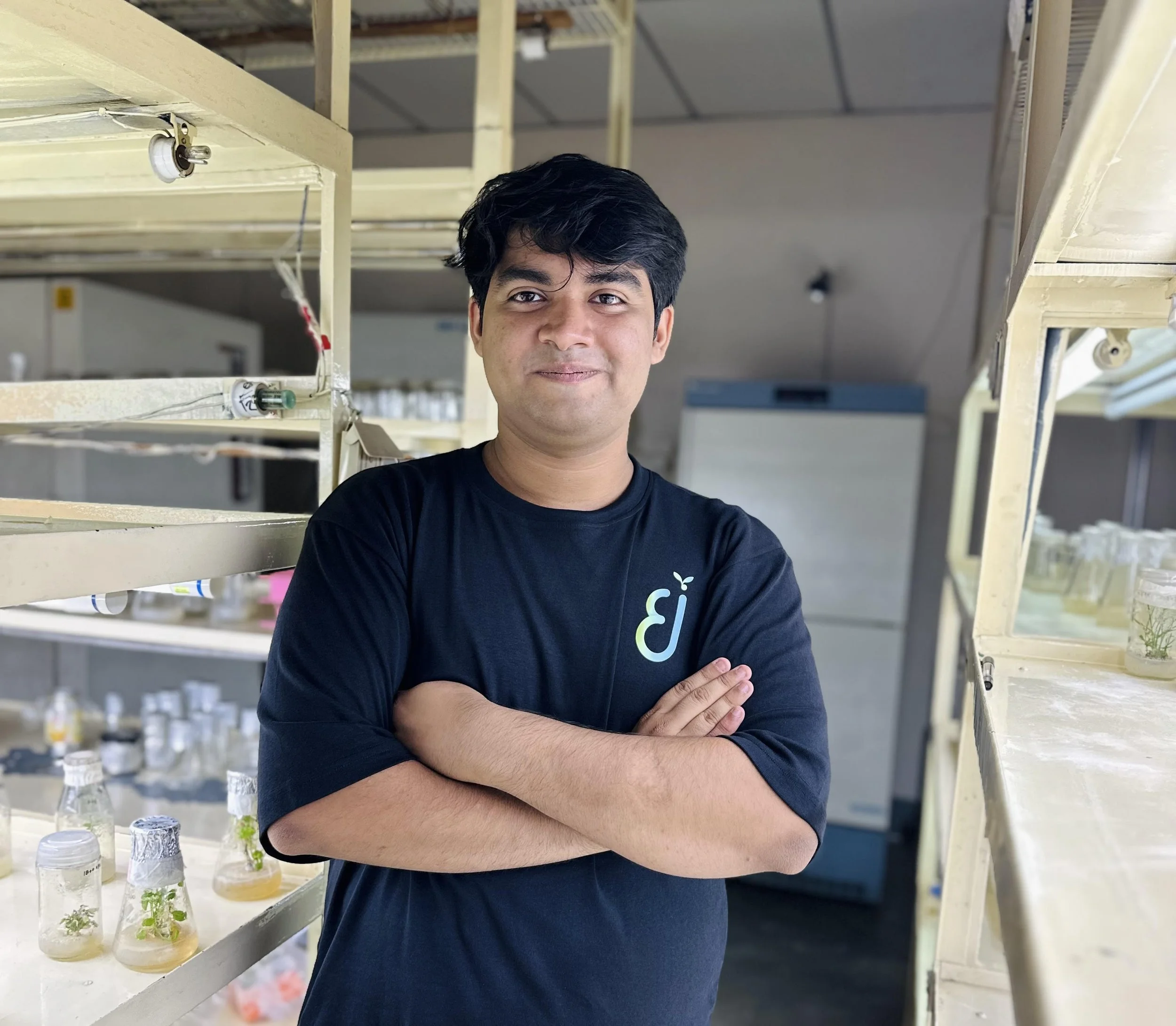
As part of “Synthesizing Synergies: Asia Edition,” an initiative of the iGEM Community to document the voices and experiences shaping Asia’s synthetic biology ecosystem, we spoke with Talha Zubair, former Financial Manager of iGEM Bangladesh, Wet Lab Member of the 2025 UBC iGEM team and the Founder of Bacto Crop.
Yusha Araf was one of the first few Bangladeshis to join the iGEM community when he discovered it after founding the Community of Biotechnology (CoB) in 2017. Read his iGEM journey and advice for future iGEMers in this blog by Synthesizing Synergies: Asia.
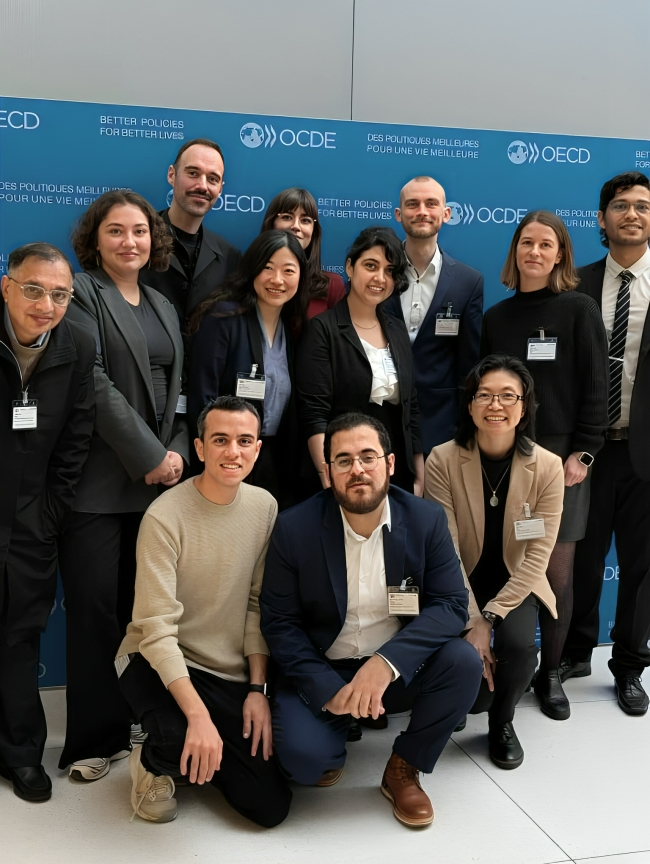
Reflections from the OECD Multistakeholder Consultation on Responsible Innovation and Anticipatory Governance of Emerging Biotechnologies.
Closing the gap between lab and life for innovations in synthetic biology. The iGEM Innovation Program aims to catalyse the bioinnovators that are laying the foundations and to support the leaders that are shaping the bioeconomy at scale.
What started as a question of why there are not more spaces for bold, ambitious builders optimising for solving hard problems became a three-month residency programme for technical founders ready to go all in.
Based in Helsinki, Finland, FR8 defies easy categorisation. Not an accelerator, not an incubator, somewhere between a research lab and a focus retreat where young technical founders live, build, and push each other toward unreasonably ambitious goals.
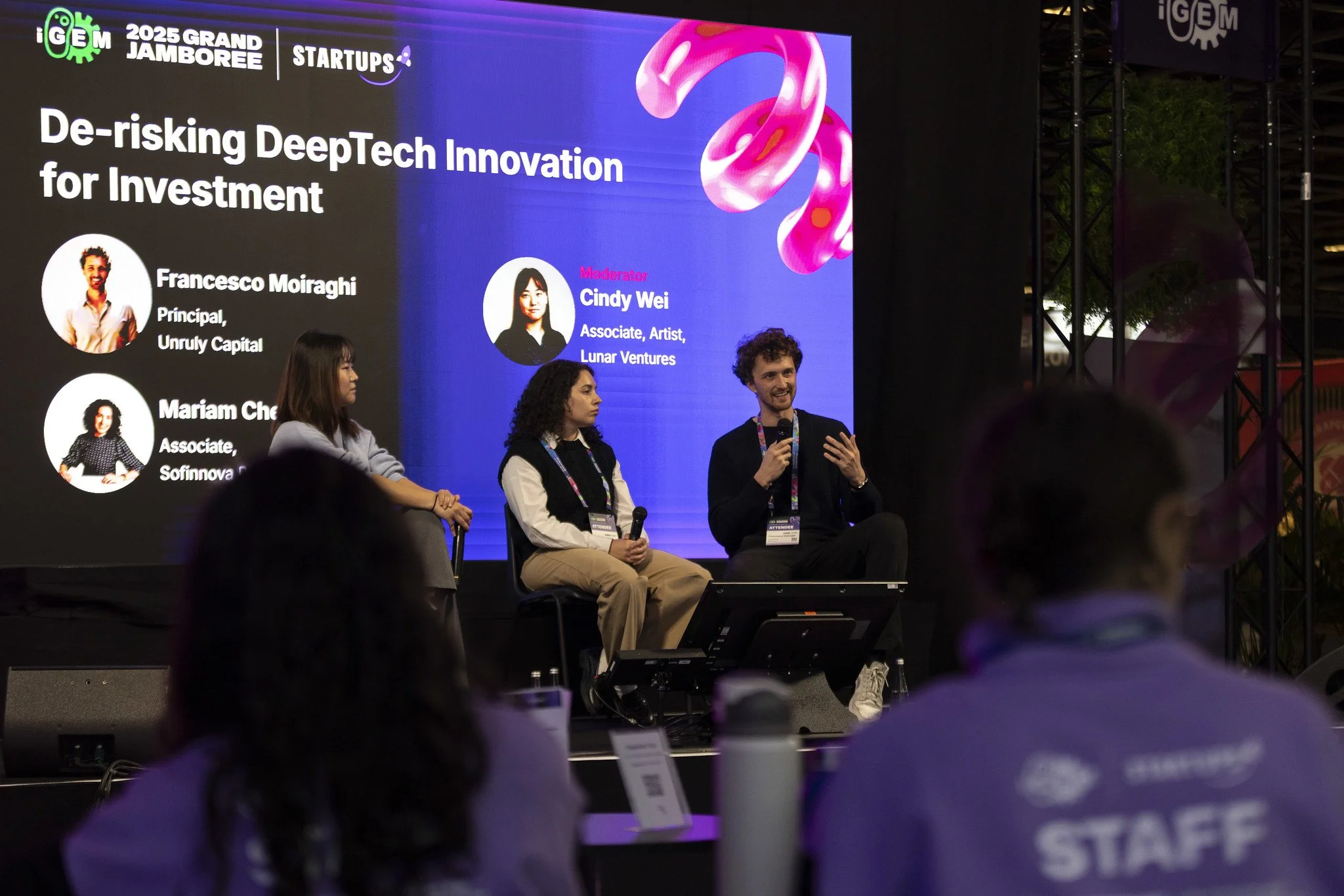
Cindy Wei is an Associate at Lunar Ventures, a Europe-based pre-seed and seed deep tech fund built on the thesis that technical founders across Europe need technical venture capitalists to partner with them from day zero, before traction, revenue, or market validation. Most recently, Lunar Ventures launched a €50 million Fund II, investing at the intersection of AI and data infrastructure, space, robotics, science + machine learning, and tech bio. Alongside her investment work, Cindy recently completed her PhD study in Bioinformatics at the Charité and Max Delbrück Center in Berlin, where she sits at a rare intersection: actively doing science while funding it.
Published biannually, The iGEM Digest dives deeper into the most exciting news, groundbreaking advances and life-changing initiatives from iGEMers all over the world.
All synthetic biology and modern biotechnology come with some potential to cause harm. Most of the time, especially for those still studying, these risks are managed by someone else.
As the teams develop and design their projects, they have to consider how their projects affect the world, and how the world affects their projects as part of Human Practices.
In 2016, iGEM Foundation started the After iGEM Delegate Program, for iGEMers to engage in the international policy dialogue on synthetic biology, experience the setting, and learn about treaties and protocols which influence how scientists conduct, share, access, and support research.
As iGEMers, we participate in the iGEM Competition because we believe that synthetic biology is going to change the world. By harnessing the power of biology, we are attempting to disrupt conventional business and manufacturing practices and create new value in medical therapeutics and diagnostics, energy and environment, food and nutrition, and developing new technologies to unlock the full potential of living systems.
It was through attending the Biological Weapons Convention as an iGEM Delegate that I realized how neglected biosecurity issues were and fully embraced the duty that scientists have to engage with policy-makers.
Even though there is a lack of legislation around the world governing biosafety and biosecurity, some teams have taken it upon themselves to make improvements and conduct science responsibly, safely, and securely.
iGEM is many things, but here’s one that matters a lot to me: iGEM is an invitation. For many people, in many places around the world, an encounter with an iGEM team will be their first encounter with synthetic biology. The work that iGEM teams do to make synthetic biology accessible and understandable is an invitation extended: come, join us, tell us what matters to you. Let’s change the world together.
“What do you think of when I say engineering?,” asks Mr. David Doyle, lead instructor for the Shanghai United International School (SUIS) iGEM Team. Students typically respond with areas such as electrical, industrial, or computer engineering, but do not make the connection between engineering and biology.
As we found out explaining a synthetic biology project was not an easy task. The field itself is an integration of disciplines, and relies heavily on metaphors to make it more understandable. In areas where the boundaries between disciplines are a bit bold, it is a challenge to explain the disciplinary overlap that exists within and through Synthetic Biology. But beyond that, we noticed that there is a bigger challenge and that lies in the language, the one which makes the spoken be easily heard.
During iGEM 2017, the pages were so popular that we created the “Meme of the week” challenge, where iGEMers could submit memes and the best one would win the honour of being posted the following Monday. For a short period, iGEM Memes even had more followers on Instagram than iGEM HQ!
It is my privilege to serve as guest editor for iGEM Digest, and former iGEM instructor. I hope the Digest will help recruit new students and mentors to form future teams, serve as a platform to share both success stories and resources to overcome challenges, demonstrate how iGEM can be career-changing or in some cases career-defining, and to remind us that science should be driven by the outward motivation of benefiting others.
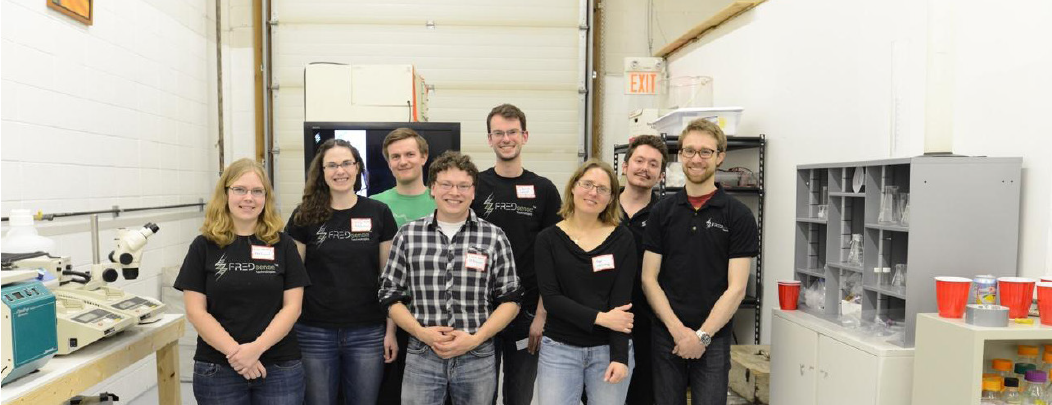
An Interview with David Lloyd to hear about his iGEM experience and how an iGEM project led him and his teammates to found FREDsense Technologies.