Welcome!
This blog is where we share stories, announcements, and insights from around the iGEM community.

This blog is where we share stories, announcements, and insights from around the iGEM community.
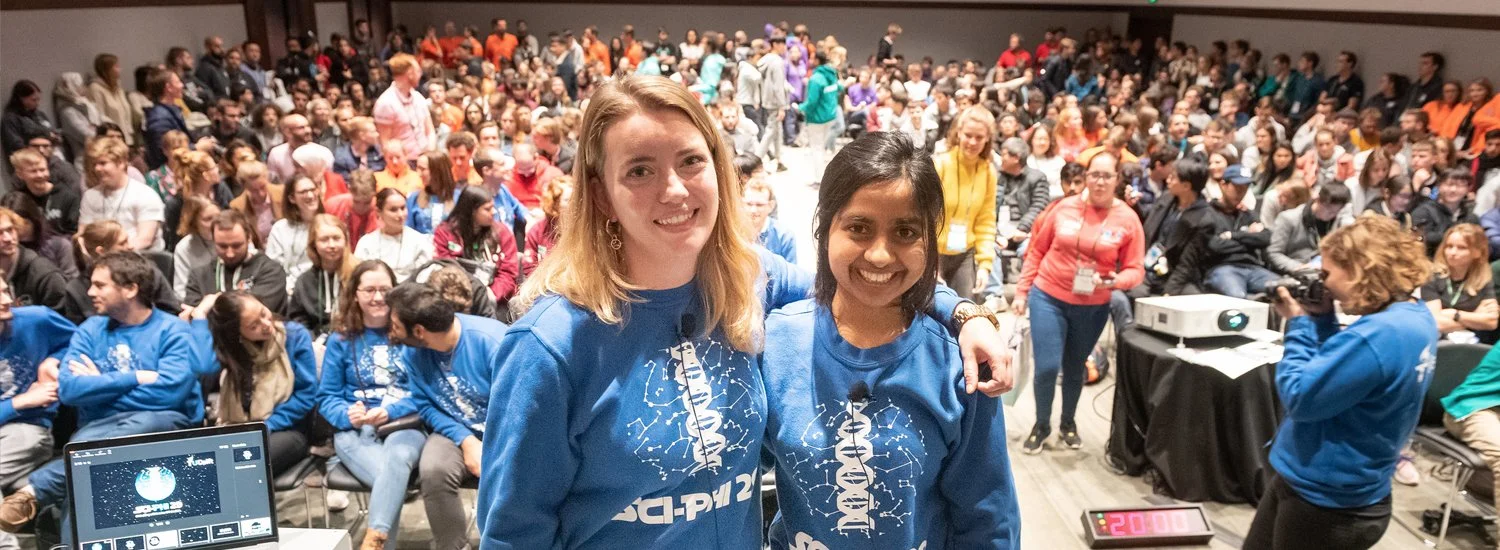
This Friday (August 12) is International Youth Day, an opportunity “to celebrate and mainstream young peoples’ voices, actions and initiatives, as well as their meaningful, universal and equitable engagement.” On this day, we’d like to celebrate the 70,000+ young people that have participated in the iGEM Competition, engaging with their communities to solve local problems and tackle global challenges using the tools of synthetic biology.
Bluepha has been born from iGEM and is now supoorting iGEMers throughout their careers. They share their story how they got here on this interview
As we prepare for the iGEM 2022 Grand Jamboree, I’d like to share with you the exciting developments that lie ahead on the road to Paris. In this post, the first of a series, I focus on the question: Why Paris?
Initially, team wikis were created using MediaWiki – a ground-breaking (at the time), open source, collaborative platform. But there have been tremendous advances in software development since then, most notably the creation of Git – a software developer’s dream.
From the moment the opening session of the conference began, what struck me was how similar the challenges are for emerging technologies across fields. Whether it is biotechnology, artificial intelligence, or smart cities, the same questions come up over and over again. In this post, I’d like to give an overview of three areas of overlap between synthetic biology and other emerging fields.
In this episode of the iGEMers of the World Podcast series, I talk with Kerstin Petroll, an entrepreneur and postdoctoral researcher in synthetic biology at Macquarie University, Australia. The iGEM startup that Kersten works with – HydGene Renewables – has engineered designer microbes that can produce hydrogen and renewable energy.
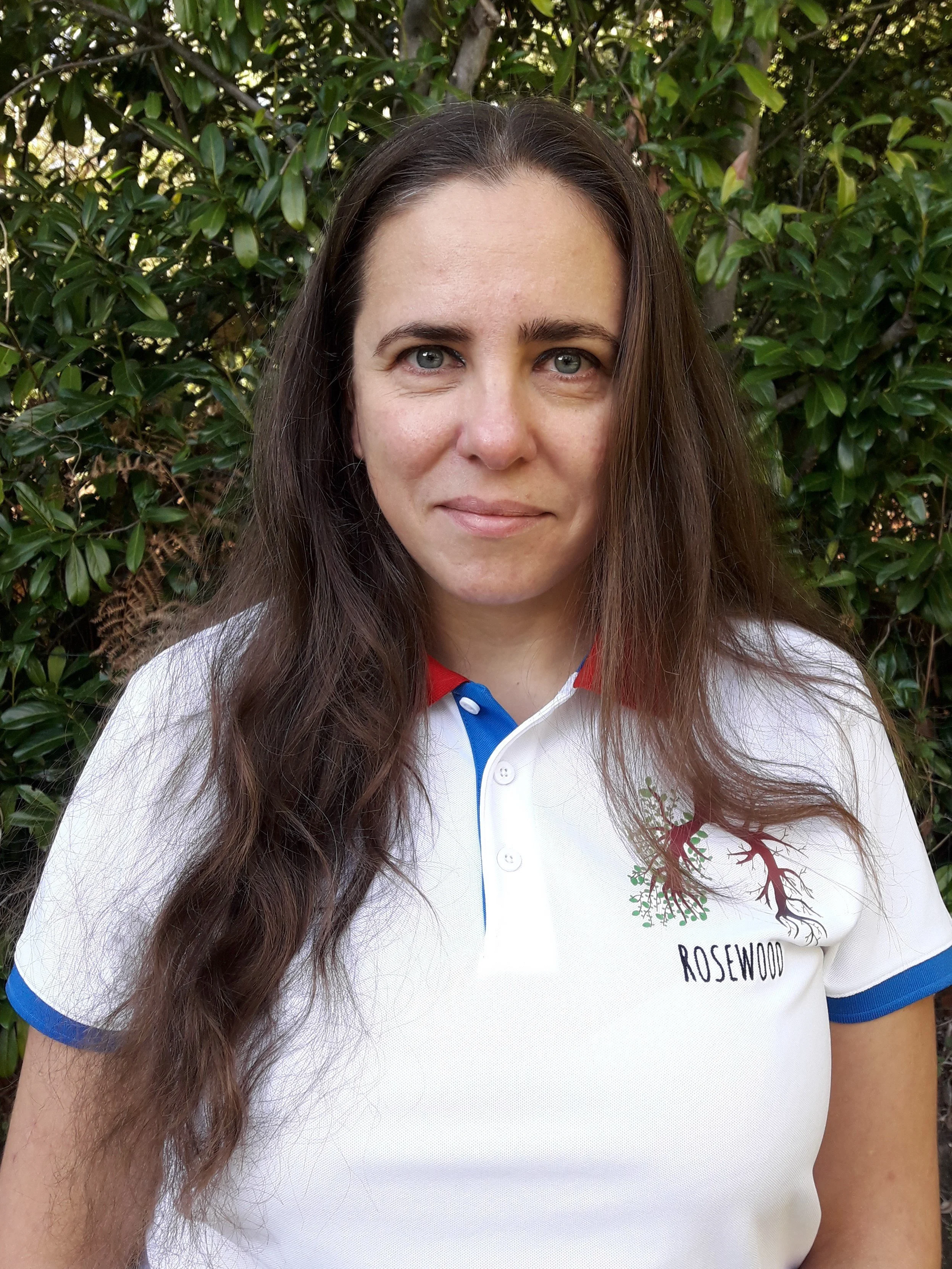
From dead bodies to incorporating iGEM into teaching, publishing papers and struggles of a PI, Ioana Popescu shares everything in this candid interview.
Antibiotic resistance - the most impactful silent pandemic of the century. It's astonishing to see how iGEM teams worked on different aspects of the problem in 2021, with some teams focused on detection of antibiotic resistance, while other teams developed new emerging technologies to kill the bacteria.
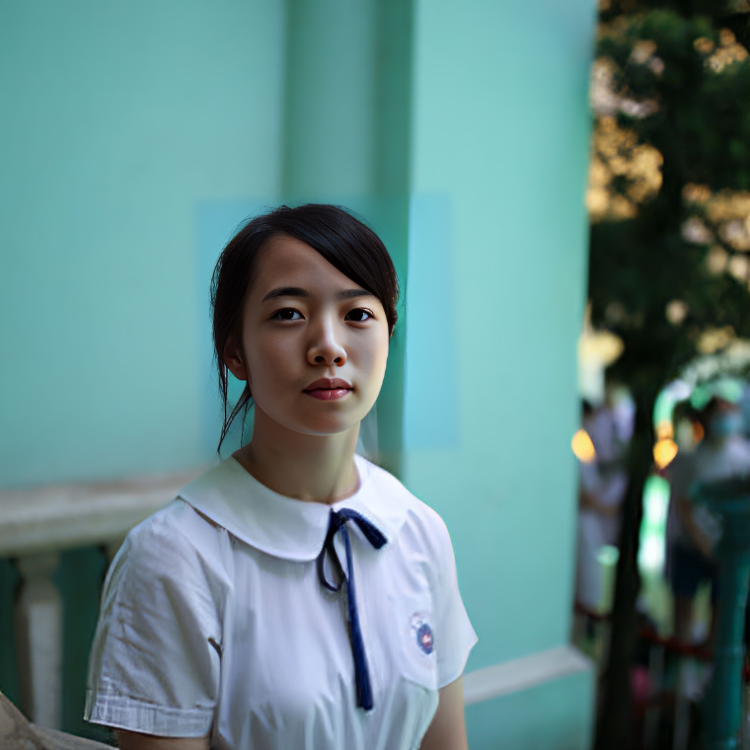
Publishing a paper is no easy feat - especially if you`re in high school. We chat with Alisa Leong Weng I about how she overcame the struggles and advice for people following the same journey.
The iGEM Competition, as the name implies, is a competition. Presenting your work to a panel of judges at the end of the season is an integral part of the iGEM experience. This year, judging for the iGEM Competition will take place live during the Grand Jamboree at the Paris Expo Porte de Versailles. Here is what to expect for judging of the iGEM 2022 Competition, for both judges AND teams.
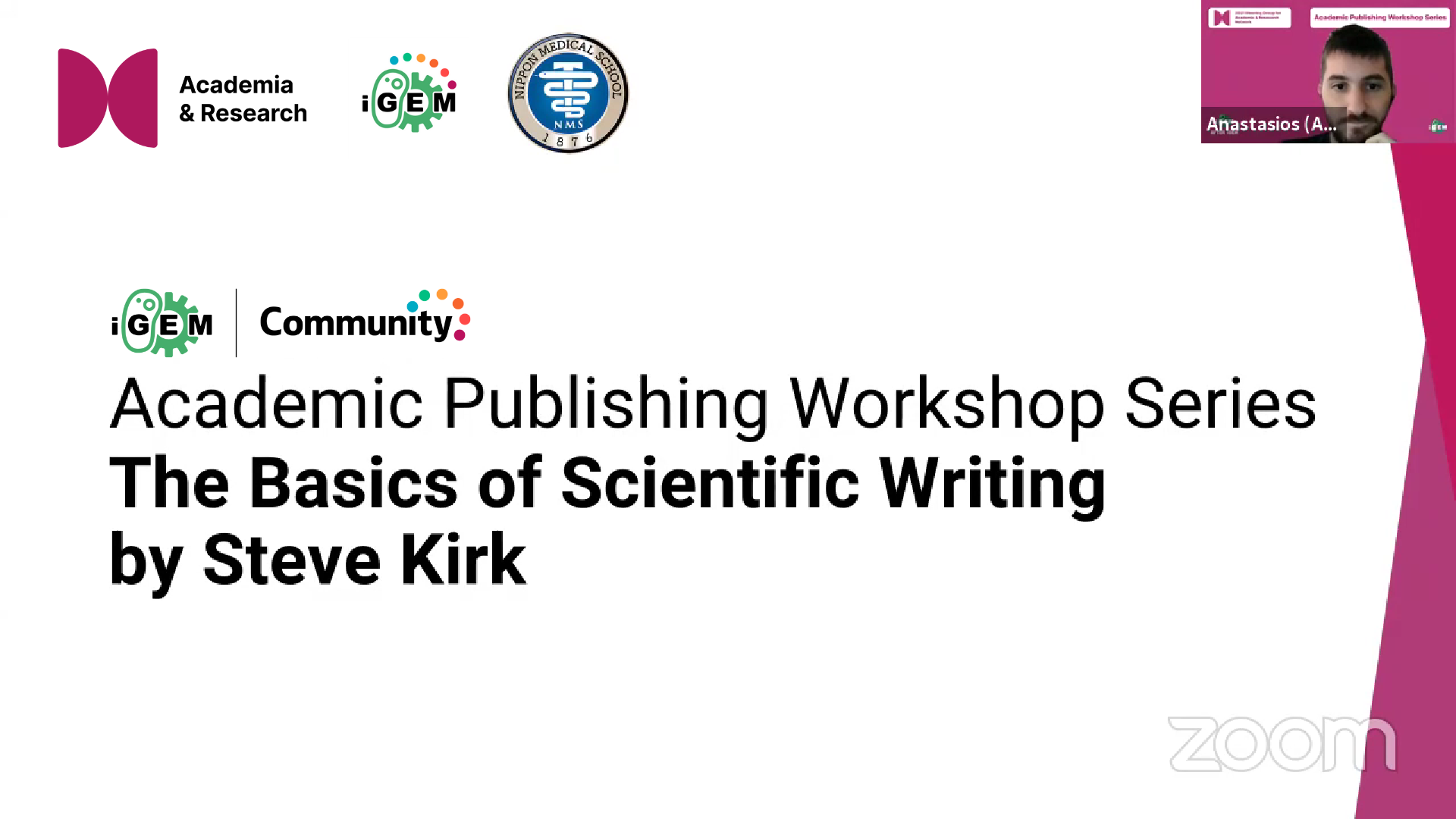
Academic writing and publishing are imperative skills for a scientist. Over a million scientific articles get published each year in innumerable journals, and the scientific knowledge is only growing larger. iGEM Community’s Academia and Research Network launched their Academic Publishing Workshop series to give a walkthrough of the basics of scientific writing all the way to the process of submission and publication and help scientists to share their work effectively.
One of the big challenges facing the field of synthetic biology is the ability to obtain reliable and repeatable measurements in different labs – a key component of all engineering disciplines. Over the past several years, iGEMers have been tackling this challenge through the International InterLaboratory (Interlab) Measurement Studies.
iGEM teams have an impressive record for creating new innovations to help manage risk and advance the field of synthetic biology. To encourage progress on this problem, iGEM’s Responsibility Program once again will award up to 5 grants of $5000 to teams working on technical advances in biosafety and biosecurity.
We invite you to launch your entrepreneurial journey with the iGEM EPIC Summer Bootcamp: a 3-day workshop that aims to train participants in the basics of entrepreneurship. This year’s EPIC Summer Bootcamp will be held on the 1st, 2nd, and 3rd of July from 14:00 to 16:00 UTC online on Zoom.
Last year, with the support of the Frederick Gardner Cottrell Foundation, we launched a first-of-its-kind initiative that provided grants to help 2021 iGEM teams take their projects further than ever before. Based on last year’s success, we are excited to continue this program for the 2022 season! Here are some examples from last year’s recipients of the iGEM 2021 Team Impact Grant.
Animals are used in research for many different purposes, including as models for the human body and as test subjects for food or medicine intended for animals. Unfortunately, one of the most common reasons that teams are disqualified from the iGEM Competition is for violations of our Animal Use Policy. The policy requires that teams get approval from the Safety & Security Committee before beginning experiments involving animals or animal samples.

![[ZH] 与iGEM互利成长-蓝晶的故事](https://images.squarespace-cdn.com/content/v1/5c0571c05cfd7950e5a84c99/1660239333574-DZRHKQMXTMMX3KUSX3S8/WechatIMG127.jpeg)