Welcome!
This blog is where we share stories, announcements, and insights from around the iGEM community.

This blog is where we share stories, announcements, and insights from around the iGEM community.
Explore by topic:
Entrepreneurship | Design League | Diversity & Inclusion | Biosafety & Biosecurity | Judging in iGEM | Project Inspiration | Sustainable Development Goals | Human Practices | How to iGEM
When iGEM was featured on 60 Minutes this Fall, it marked a milestone for synthetic biology and for youth-led innovation. To be featured on such a stage is rare. To have the focus be an iGEM Team’s process as they push the boundaries of synthetic biology is quite extraordinary!
Welcome to the official blog for the iGEM Community. The iGEM Community is for anyone who wants to be engaged in iGEM related programming all around the world. Read this blog to find out about the initiatives our teams are working on, and celebrate with us the featured stories of iGEMers.
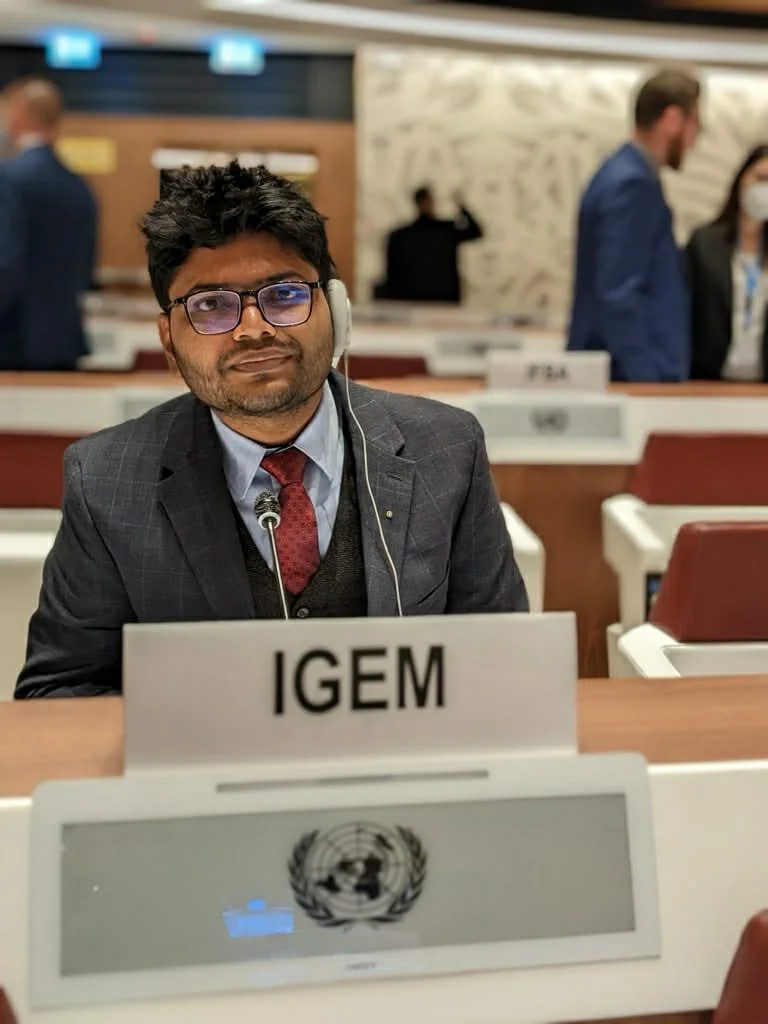
Yusha Araf was one of the first few Bangladeshis to join the iGEM community when he discovered it after founding the Community of Biotechnology (CoB) in 2017. Read his iGEM journey and advice for future iGEMers in this blog by Synthesizing Synergies: Asia.
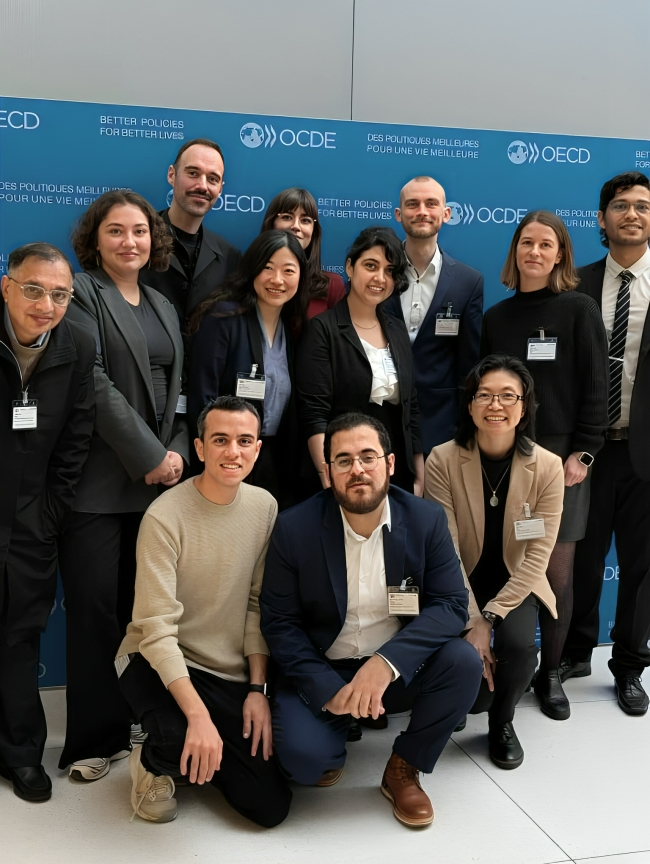
Reflections from the OECD Multistakeholder Consultation on Responsible Innovation and Anticipatory Governance of Emerging Biotechnologies.
This article is a part of a series of three articles that explore how science is communicated through popular media such as animation, television and film, using engaging storytelling.
iGEM Startups strives towards becoming the driving force behind hundreds of SynBio based start-ups globally to help accelerate our transition to a more sustainable bioeconomy. The blog highlights iGEM entrepreneurial success stories, trends and reports from the synbio startup ecosystem and follows the journeys of the companies created through iGEM’s programs. Learn more iGEM Startups: startups.igem.org
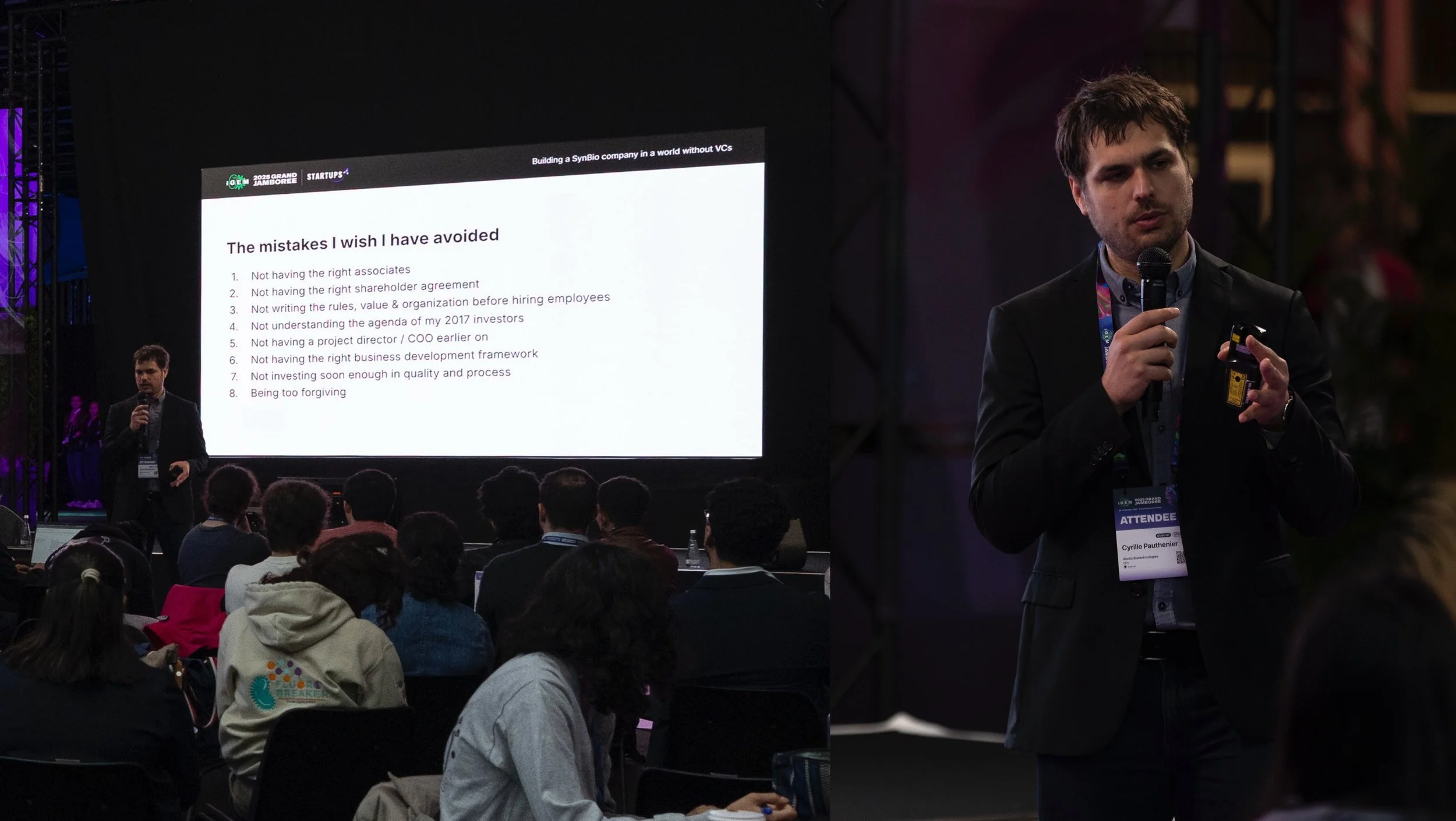
Cyrille Pauthenier is the CEO and Co-founder of Abolis Biotechnologies, a firm based in Paris that focuses on industrial biotechnology and advancing sustainable bioproduction through microbial fermentation and strain engineering.
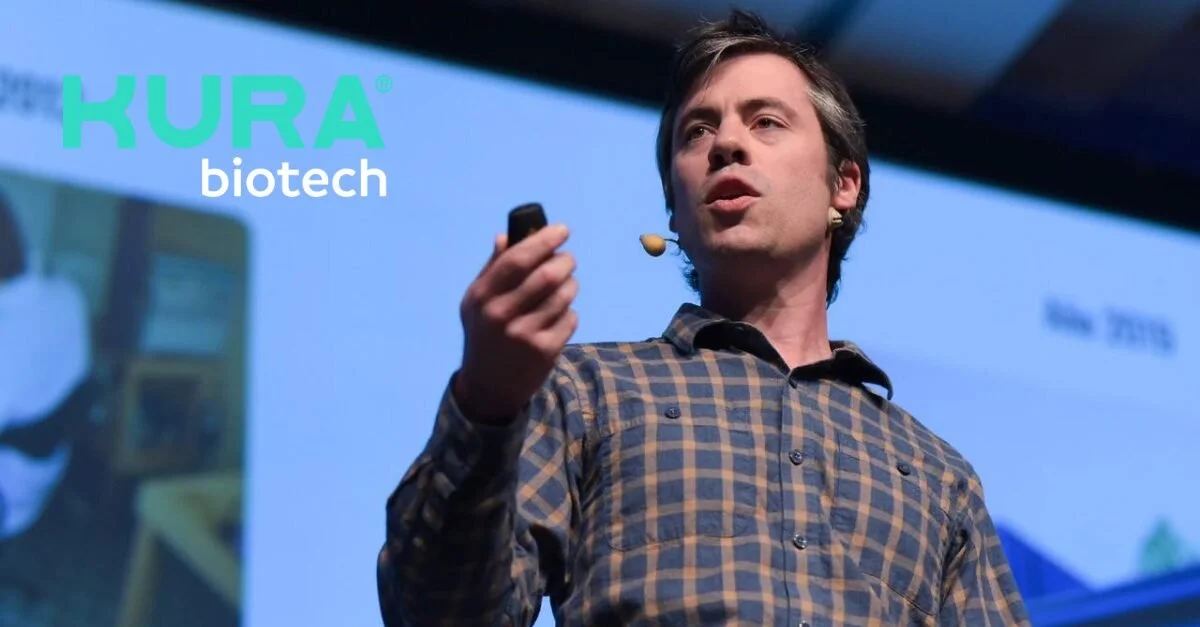
Meet Manuel Rozas, an emblematic figure in Chile's scientific innovation ecosystem. As the founder of Kura Biotech, he has positioned his company as one of the pioneers in biotechnological enzyme production in Latin America, transforming his passion for science into a global enterprise that sells to the world's leading toxicology laboratories.
A total of 45 teams participated in the Venture Foundry Program, alongside 25 teams in the 2025 Fast-Track Program and 24 kiosks showcased at the BioInnovation Fair. This year marked a milestone for our Startup Showcase, featuring a cohort rich in innovation and global talent. Many teams have already filed or are in the process of filing patents. A total of over $200K in funding has been secured. Teams represented regions from across the world.
Published biannually, The iGEM Digest dives deeper into the most exciting news, groundbreaking advances and life-changing initiatives from iGEMers all over the world.
All synthetic biology and modern biotechnology come with some potential to cause harm. Most of the time, especially for those still studying, these risks are managed by someone else.
As the teams develop and design their projects, they have to consider how their projects affect the world, and how the world affects their projects as part of Human Practices.
In 2016, iGEM Foundation started the After iGEM Delegate Program, for iGEMers to engage in the international policy dialogue on synthetic biology, experience the setting, and learn about treaties and protocols which influence how scientists conduct, share, access, and support research.
As iGEMers, we participate in the iGEM Competition because we believe that synthetic biology is going to change the world. By harnessing the power of biology, we are attempting to disrupt conventional business and manufacturing practices and create new value in medical therapeutics and diagnostics, energy and environment, food and nutrition, and developing new technologies to unlock the full potential of living systems.
It was through attending the Biological Weapons Convention as an iGEM Delegate that I realized how neglected biosecurity issues were and fully embraced the duty that scientists have to engage with policy-makers.
Even though there is a lack of legislation around the world governing biosafety and biosecurity, some teams have taken it upon themselves to make improvements and conduct science responsibly, safely, and securely.
iGEM is many things, but here’s one that matters a lot to me: iGEM is an invitation. For many people, in many places around the world, an encounter with an iGEM team will be their first encounter with synthetic biology. The work that iGEM teams do to make synthetic biology accessible and understandable is an invitation extended: come, join us, tell us what matters to you. Let’s change the world together.
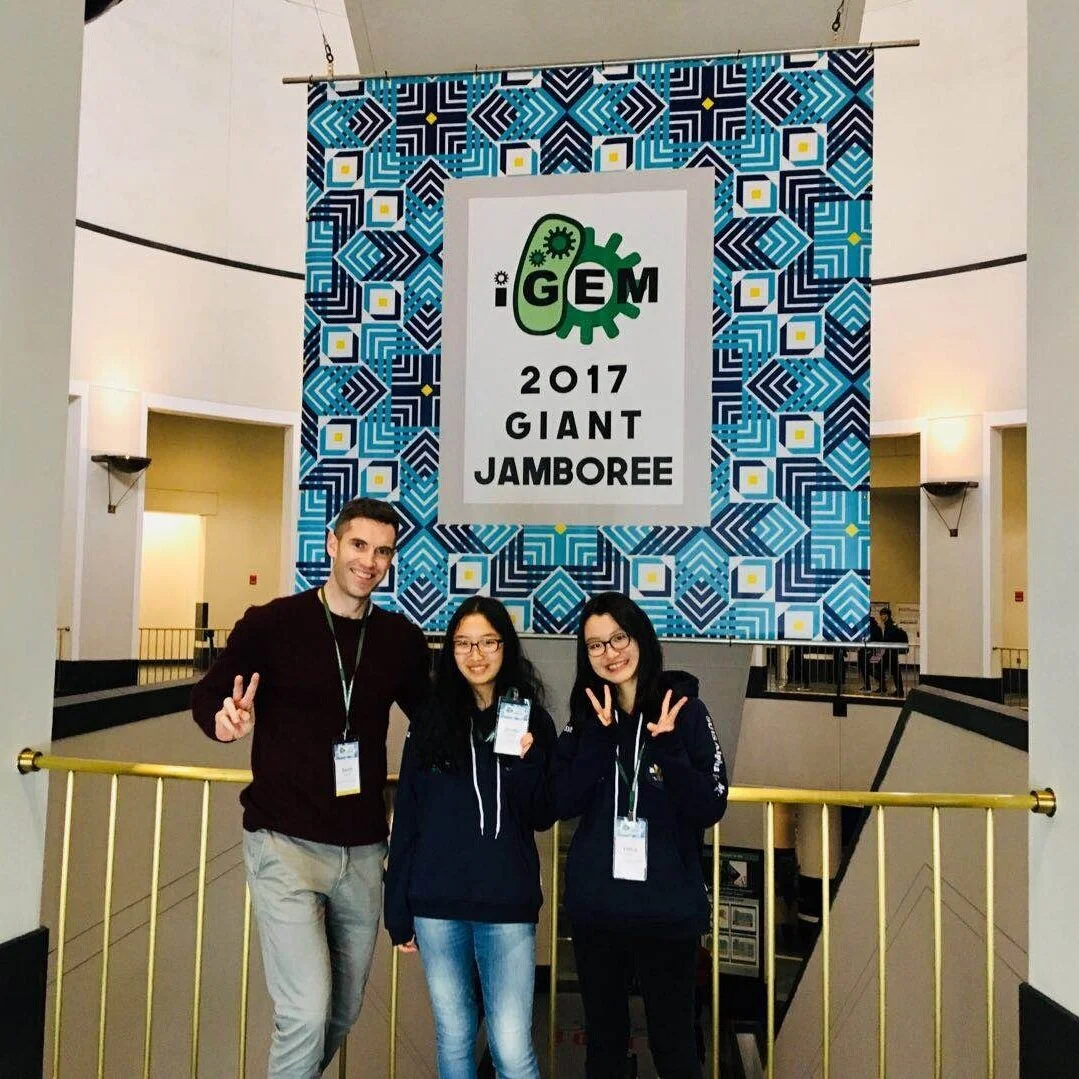
“What do you think of when I say engineering?,” asks Mr. David Doyle, lead instructor for the Shanghai United International School (SUIS) iGEM Team. Students typically respond with areas such as electrical, industrial, or computer engineering, but do not make the connection between engineering and biology.
As we found out explaining a synthetic biology project was not an easy task. The field itself is an integration of disciplines, and relies heavily on metaphors to make it more understandable. In areas where the boundaries between disciplines are a bit bold, it is a challenge to explain the disciplinary overlap that exists within and through Synthetic Biology. But beyond that, we noticed that there is a bigger challenge and that lies in the language, the one which makes the spoken be easily heard.
During iGEM 2017, the pages were so popular that we created the “Meme of the week” challenge, where iGEMers could submit memes and the best one would win the honour of being posted the following Monday. For a short period, iGEM Memes even had more followers on Instagram than iGEM HQ!
It is my privilege to serve as guest editor for iGEM Digest, and former iGEM instructor. I hope the Digest will help recruit new students and mentors to form future teams, serve as a platform to share both success stories and resources to overcome challenges, demonstrate how iGEM can be career-changing or in some cases career-defining, and to remind us that science should be driven by the outward motivation of benefiting others.
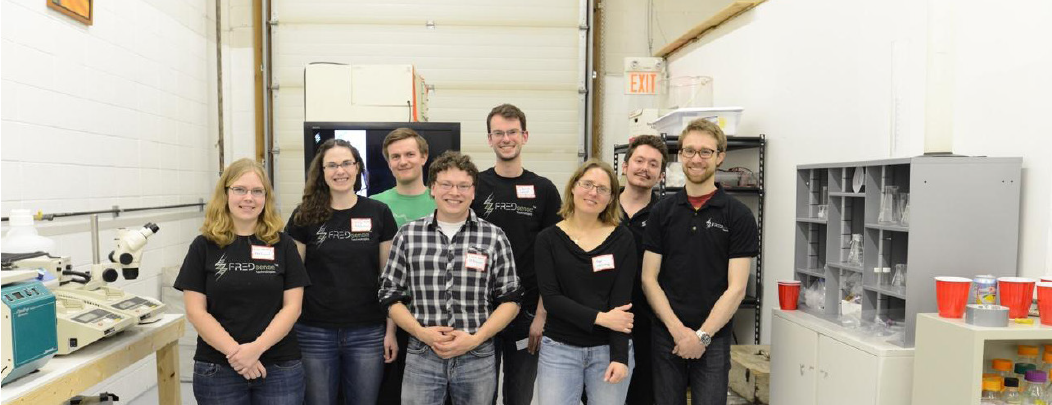
An Interview with David Lloyd to hear about his iGEM experience and how an iGEM project led him and his teammates to found FREDsense Technologies.