The 2026 iGEM Startups BioHackathon: Your First Step Into the World of BioEntrepreneurship
written by Szonja Skenderovic, Data and Insights at iGEM Startups
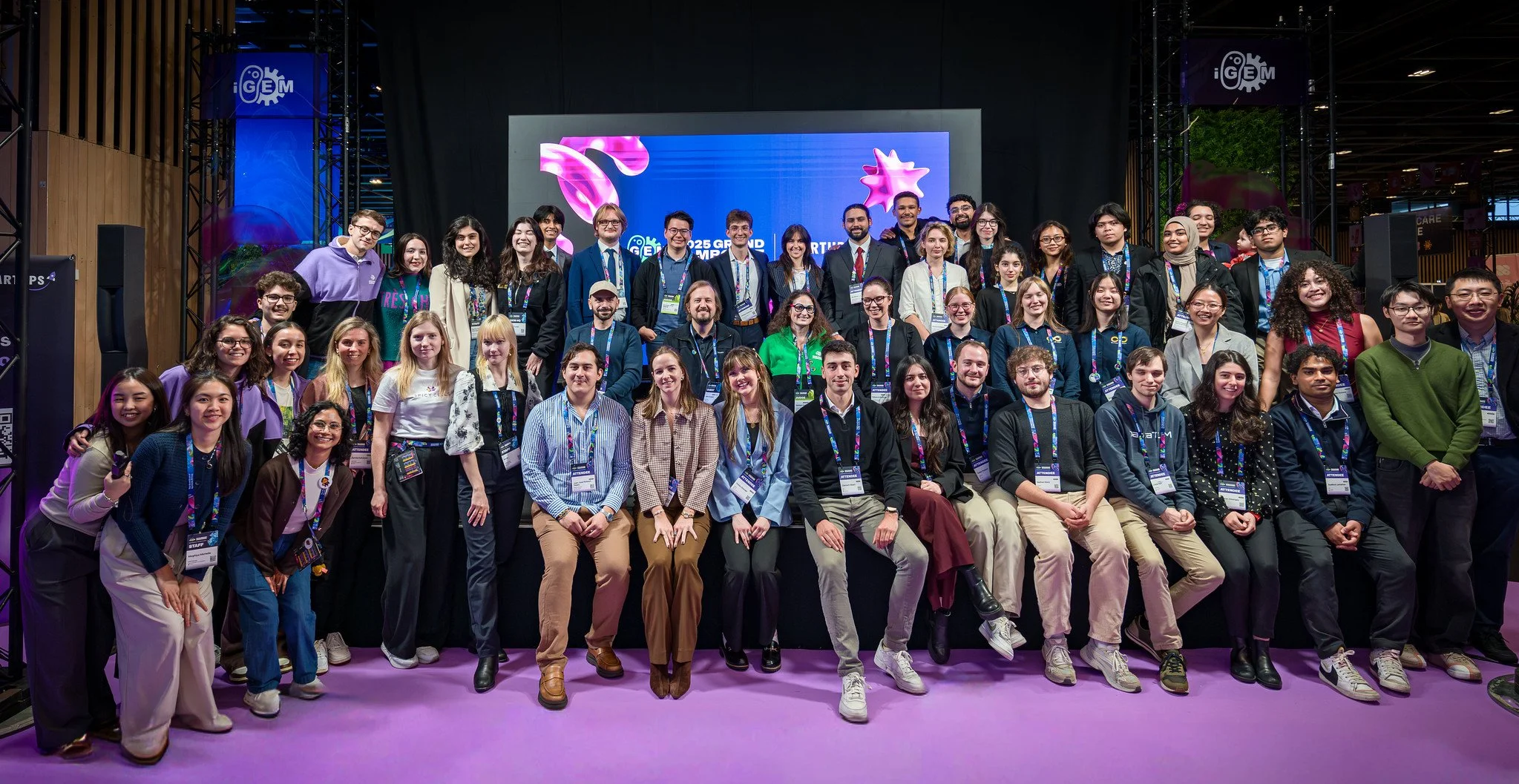
On March 27–29, the 2026 edition of the iGEM Startups BioHackathon brought together 330 participants across 30 teams for a weekend of ideation, collaboration and pitching.
Packed with keynote sessions, workshops and networking opportunities, the event culminated in a Grand Finale pitch competition where teams presented their ideas to a panel of judges. Participants represented a wide range of backgrounds, from undergraduate and master’s students to Ph.D. researchers, academics, industry professionals and founders, spanning three regions: the Americas; Europe, the Middle East, and Africa (EMEA); and Asia-Pacific (APAC) (Figures 1.1 and 1.2).
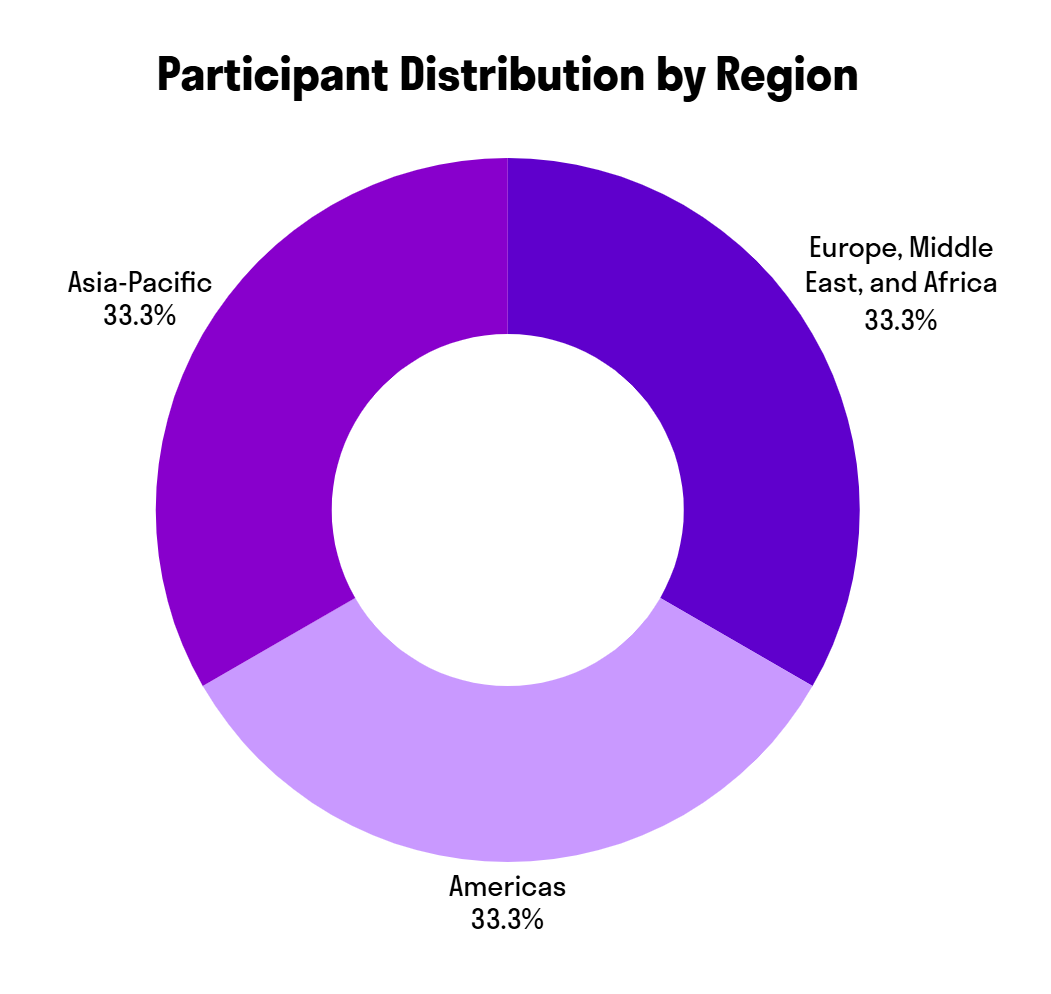
[Figure 1.1 | Distribution of participants by region]
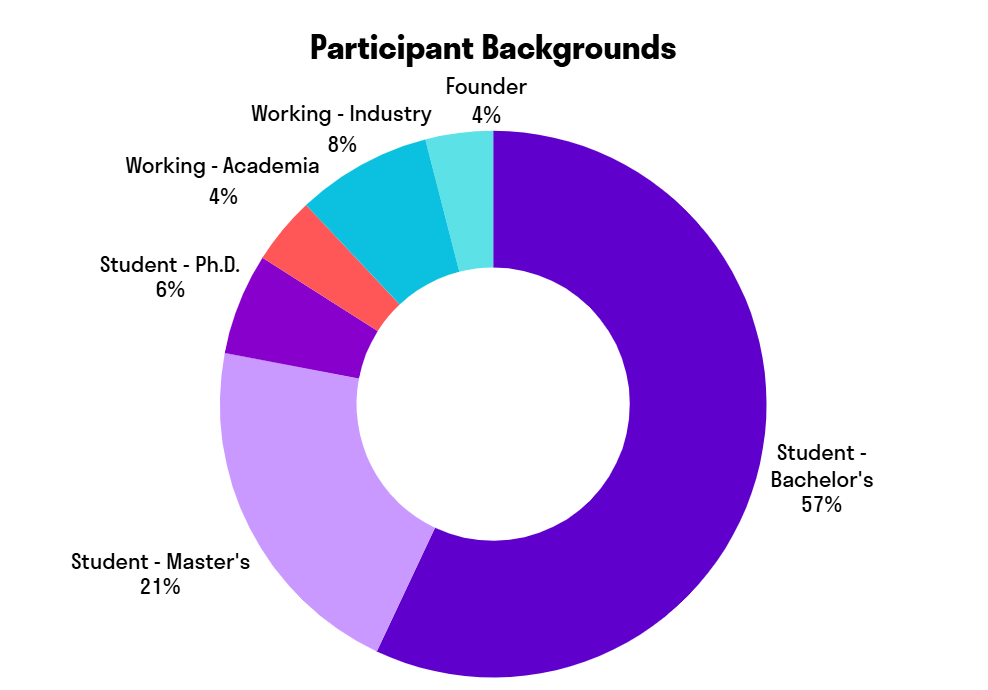
[Figure 1.2 | Distribution of participants by current background/occupation]
The BioHackathon began with a keynote session from Professor Jens Nielsen, CEO of the BioInnovation Institute. Professor Nielsen’s talk explored the frontiers of synthetic biology and the growing opportunity at the intersection of science and venture creation, framing the entrepreneurial mindset that would guide participants throughout the weekend.
Participants also took part in the Founders Panel Discussion, featuring alumni of the iGEM Startups Venture Foundry: Zachary Asarnow (Co-Founder of Esperance Healthcare), Nicole Alizade (Founder of NivoCell), and Shannon Johnson (Co-Founder of ReGlassia). Each alumni shared insights on the early stages of venture creation and how the Venture Foundry Program shaped their journey. The event also featured two networking sessions, giving participants the opportunity to grow their professional networks, connect with potential co-founders and find teams to join.
When asked about their favorite part of the event, 47% of participants found the workshops to be the most insightful highlight of the BioHackathon.
This year’s workshop lineup was designed to introduce aspiring BioInnovators to the fundamentals of venture creation in synthetic biology. The workshops included:
Bioentrepreneurship 101— Valeria Rodriguez Espinoza: An opening session that introduced participants to the world of bioentrepreneurship: what it is, why it matters, and what it takes to turn scientific knowledge into real-world impact.
Ideation and Problem Framing — Florian Kroh: A hands-on session guiding participants through how to structure an idea, what makes a strong problem statement, how to validate an idea, and what makes a compelling solution. Participants walked away with a framework and practical exercises to pressure-test their concepts.
Market and Impact— Vladimir Ticiu: A practical exploration of market dynamics, opportunity sizing, and the broader societal impact of funding a synthetic biology venture.
Pitching Fundamentals — Anna Vildaus: An interactive session to craft and deliver a compelling pitch, exploring storytelling structure, what investors and judges look for, and how to communicate complex scientific ideas with clarity and confidence.
The Three Tracks of the 2026 BioHackathon
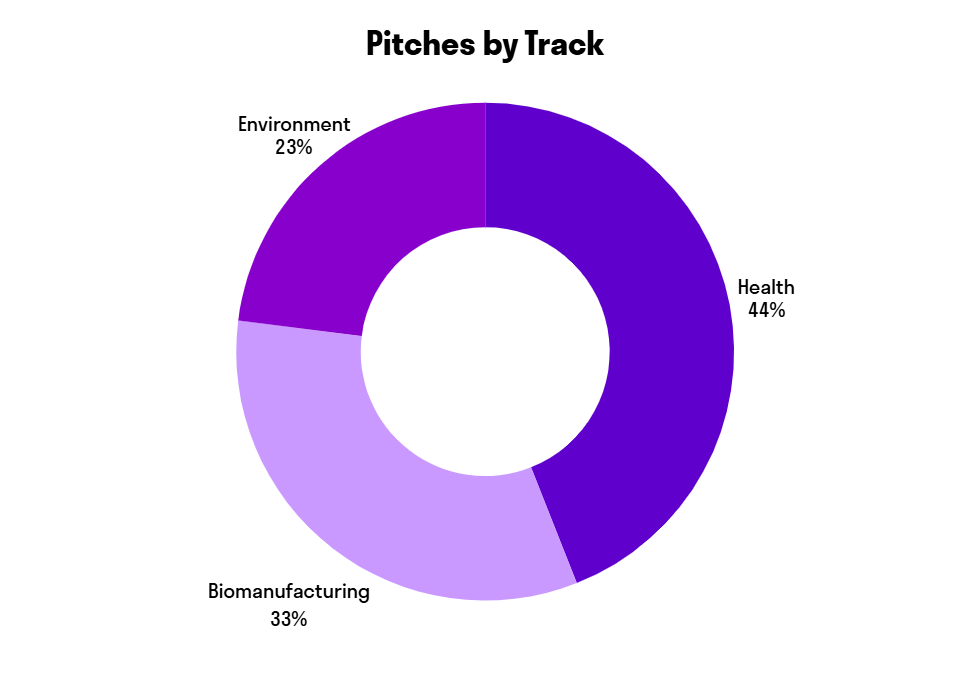
[Figure 2. Distribution of BioHackathon teams by track – pie chart]
Teams this year worked across a range of tracks, reflecting the breadth of challenges that synthetic biology is positioned to address.
This year’s BioHackathon introduced an evolution from previous editions: defined challenge statements were released at the start of the BioHackathon for each of the tracks, giving teams a focused direction from the moment the event began. Participants were invited to tackle pressing problems across these three tracks: Health, Environment and BioManufacturing. Teams worked to develop their synthetic biology ventures within these tracks over the course of the weekend.
“I came into this hackathon knowing nothing about Lyme disease. 48 hours later, I was standing alongside my team, presenting to judges and defending the scientific validity of our solution.
What the iGEM Startups BioHackathon gave me wasn’t just a crash course; it showed me what happens when people from different backgrounds come together around a real problem.
We didn’t win, but it was one of the most valuable experiences I’ve had. What I learned in those 48 hours was worth more than any prize.”
--2026 BioHackathon Participant
The Live Pitches at the 2026 BioHackathon
On the third day of the BioHackathon, teams presented their pitches to a panel of judges.
We would like to thank our panel of judges for their time, insights, and thoughtful feedback: Florian Kroh, Gillian Lee, Montserrat de la Rosa, Matilde Scotti, Cindy Wei and Johannes Sonnenschein.
Congratulations to all the winning teams:
🥇 Grand Prize: SentinelPatch, a smart wearable detecting opioid overdoses and automatically delivering life-saving treatment.
🥈 Runner-Up: CaptuREE, a protein-based filtration system that recovers rare earth elements directly from existing e-waste recycling pipelines.
💡 Most Innovative Solution: Pomelow, a native microalgal consortium in palm oil mill effluent open lagoons for carbon sequestration and sustainable hydrochar production.
🎤 Best Presentation: Optic-8, a lliving window system using bio-inks to automatically regulate light and heat, improving human health and building energy efficiency without electricity.
⚖️ Judge’s Choice:
SHIFTER, a genetic technology that triggers morphology shifts in bacteria to make biomanufacturing purification faster, cheaper, and more sustainable.
BOREALIS, a cell-free microneedle patch that provides rapid, color-coded Lyme disease detection at the point of care.
iGEM Toronto, a platform utilizing a massive enzyme database to engineer scalable solutions for degrading PET microplastics in real-world environments.
Measuring the BioHackathon's Impact
The 2026 BioHackathon didn’t just generate ideas; it led many participants to explore the early stages of venture creation. Post-event survey data reveal participants’ understanding of bioentrepreneurship shifted over the weekend, with average confidence scores rising from 3.62 to 4.24 out of 5 (Figure 3.1).
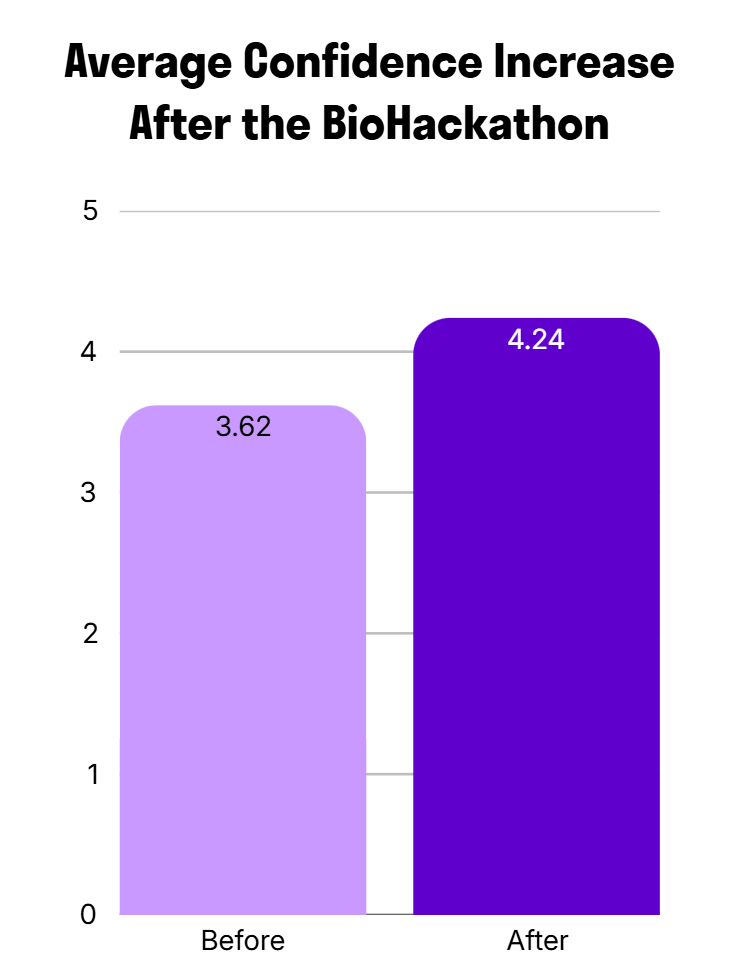
[Figure 3.1 | Average Confidence Increase After the BioHackathon]
When asked about their next steps, 32% of participants stated they want to continue validating their startup idea, a testament to the BioHackathon’s purpose: introducing aspiring BioInnovators to the world of venture creation in synthetic biology.
Find out more about the Venture Foundry Program and follow the journey of the 2026 cohort by staying connected with iGEM Startups. Join the mailing list: iGEM Startups Mail Subscription