Ever since I worked on the Astroshield project with my teammates on the Sao_Carlos-Brazil 2019 iGEM team, I’ve been fascinated with how synthetic biology applied to space exploration can yield important insights for making life better here on Earth.


This blog is where we share stories, announcements, and insights from around the iGEM community.
Ever since I worked on the Astroshield project with my teammates on the Sao_Carlos-Brazil 2019 iGEM team, I’ve been fascinated with how synthetic biology applied to space exploration can yield important insights for making life better here on Earth.
More diverse and inclusive teams produce greater innovation and overall better science. Yet, STEM (science, technology, engineering, and math) fields still exist within demographic bubbles due to the systemic and persistent exclusion of people based on gender, or ethnicity, or socioeconomic status, or other reasons. iGEM’s new purpose is to make sure that the field of synthetic biology, and all of the power that this technology holds, gets developed everywhere by everyone.
Every five years, the States Parties to the Biological Weapons Convention hold a Review Conference, where they make decisions about the future of the treaty. In 2022, iGEM brought 10 delegates to participate in drafting the Youth Recommendations for the Ninth Review Conference of the BWC held in Geneva, Switzerland in 2022.
iGEM influenced me a lot to be who I am today. iGEM makes me see that biology can be integrated with digitalisation and “machinery”.
This Saturday (February 11) we celebrate the International Day of Womens and Girls in Science - a day proclaimed by the United Nations aiming “to ensure full and equal access to and participation in science for women and girls.”
If you were in Paris for the iGEM Grand Jamboree, you may have already heard the news – Asimov is partnering with iGEM to build the future of mammalian synthetic biology! We are thrilled to be giving back to the community that has helped inspire, support, and connect students with each other to make synthetic biology the technology that will transform the world.
iGEM acted as my gateway into exploring research in biology, which I might not have actively looked into otherwise. I would say iGEM happens to be one of the means by which I found my liking for synthetic and quantitative biology.
This blog from the Phoenix’s View revolves around the past, present, and future of regenerative medicine within and outside iGEM! Learn about organoids, 3D bioprinting, bioelectricity and all the unique efforts of iGEMers to better those areas of research and beyond!
The submission of research or review and seeing it published is one of the most exciting and anxious aspects of research. The iGEM community’s Academia and Research network’s fourth workshop in the Academic publishing workshop series, “The in’s and out’s of paper submission and publication by Dr. Bilge San”, aims to guide students through this process and provide comprehensive information on what to expect before and after submission.
A picture is worth a thousand words. Data visualization enables us to effectively communicate complex data. Analytics must be clearly portrayed and easily comprehensible due to the massive amount of data that is becoming available. The iGEM community’s Academia and Research network’s third workshop in the Academic publishing workshop series, “Analysis and Visualisation of Gene Expression Data by Dr. Jacob Beal”, highlights the importance of effective Gene expression data analysis and visualization.
As we near the end of 2022, all of us at iGEM HQ wish to express our appreciation for the many people who have dedicated their time, talent, work, and support in helping ensure that the field of synthetic biology, and all of the power this technology holds, gets developed everywhere by everyone.
An interview with Moriyama Akihiro, the founder and leader of the first iGEM team from Gifu University in Japan.
Science is not always about research. Science involves investments and entrepreneurship to fuel the continuation and application of research and everything that is contained in it. Greta expressed both interests in research as well as the commercialization side which led her to a career in venture capital.
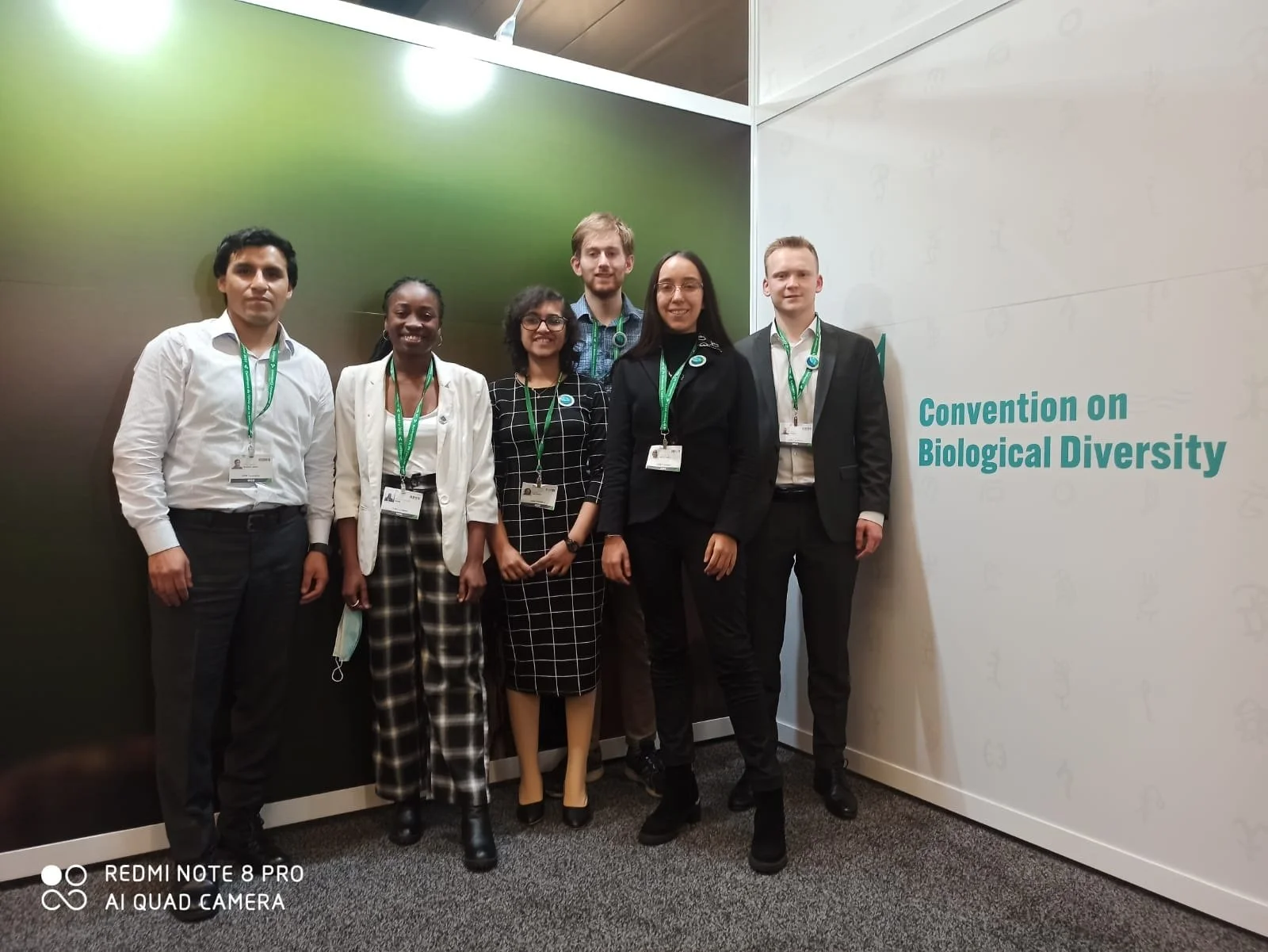
This past week, iGEM sent six delegates from the Biodiversity Youth Leadership Program to Montréal, Canada to participate in the 15th Conference of the Parties (COP15) of the Convention on Biological Diversity by the United Nations. There, they will present and discuss existing and future approaches to tackling one of the greatest challenges of our planet.