In the 2nd session of the BridgeBio project’s ‘Leading Ladies of SynBio’ series, we hosted Dr. Claire Aldridge. Dr. Aldridge is an experienced innovator, scientist and chief strategy officer at Form Bio, a leading biotechnology company.


This blog is where we share stories, announcements, and insights from around the iGEM community.
In the 2nd session of the BridgeBio project’s ‘Leading Ladies of SynBio’ series, we hosted Dr. Claire Aldridge. Dr. Aldridge is an experienced innovator, scientist and chief strategy officer at Form Bio, a leading biotechnology company.
In this blog, meet Marija Kesic, Research Assistant at bit.bio who transitioned from a former competitor to a mentor. She discusses the role she plays in supporting teams' work and explains the objectives of the mentorship programme and how it helps teams gain insights from someone with firsthand iGEM experience and receive guidance on various aspects of their projects.
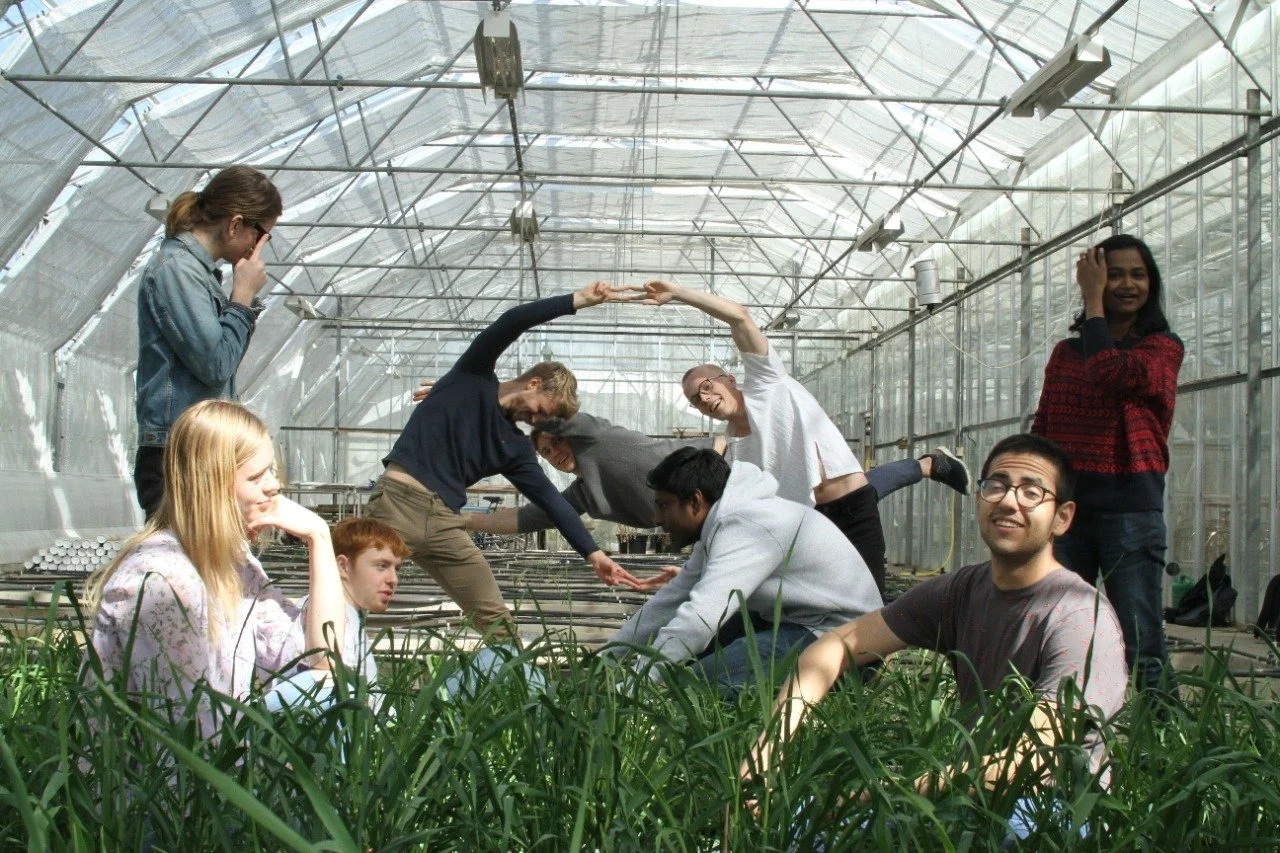
While all iGEM teams push the boundaries of synthetic biology, teams who undertake plant projects must overcome a challenge that is particular to plants – namely, that plants take a long time to grow. One reason iGEM teams are successful in pioneering plant synthetic biology is because the teams that have come before have expended effort to get plants to grow within the timeframe of an iGEM Competition season. In honor of the 20th year of iGEM, we thought we’d take a look back on the achievements of some of the teams that have pioneered plant synthetic biology.
Hardware, Software, Wetware – all are encompassed within the Design-Build-Test-Learn cycle of synthetic biology. In honor of 20 years of iGEM, we’d like to feature the Hardware developed by iGEM teams.
Neurodegenerative diseases comprise a broad spectrum of disorders resulting from the gradual deterioration of cells and connections within the nervous system, crucial for functions such as movement, coordination, strength, sensation, and cognition. Explore how iGEM team’s have tackled the disease through their innovative diagnostic and therapeutic solutions.
Synthetic biology holds tremendous promise for addressing global challenges, but like all powerful technologies, there also are risks of accidental or deliberate misuse that could cause harm. In honor of the 20th year of iGEM, I’d like to take a look back on some of the highlights of iGEM’s history in building a strong culture of responsibility for biosafety and biosecurity.
Dive deeper into an exciting journey of endless curiosity of what is called “Frugal Science”, highlight notable innovations like the Foldscope and share the inspiring story of an iGEM Team from the Lambert high school who grabbed a gold medal at the 2018 Giant Jamboree with their frugal innovation project.
Discover the lessons learned from the successful journey of Neocycle, where science and entrepreneurship converge. This article highlights how Arshia Mostoufi and his team navigated the challenges of combining synthetic biology research with entrepreneurial endeavors.
Twenty years ago, scientists were using an ad hoc approach to assemble genetic constructs, which required a lot of time and did not always work as anticipated. Tom Knight, an engineer by training, thought that applying standard engineering mechanisms could make the assembly of genetic constructs more reliable. And so, in 2003, Tom proposed an assembly method for standard biological parts, or “BioBricks”.
Porfirio participated in iGEM for the first time in 2011 as a part of the first iGEM team from Universidad Autonoma de Nuevo Leon. He is currently working as a Design Engineer at Ginkgo Bioworks.
We’re 250 years into the industrial revolution, which is about being good at energy. We’re 70 years into the computer revolution, which is about being good at information. Now we’re at the beginning of the next revolution, which is about being good at matter, and the best tool for that is biology.
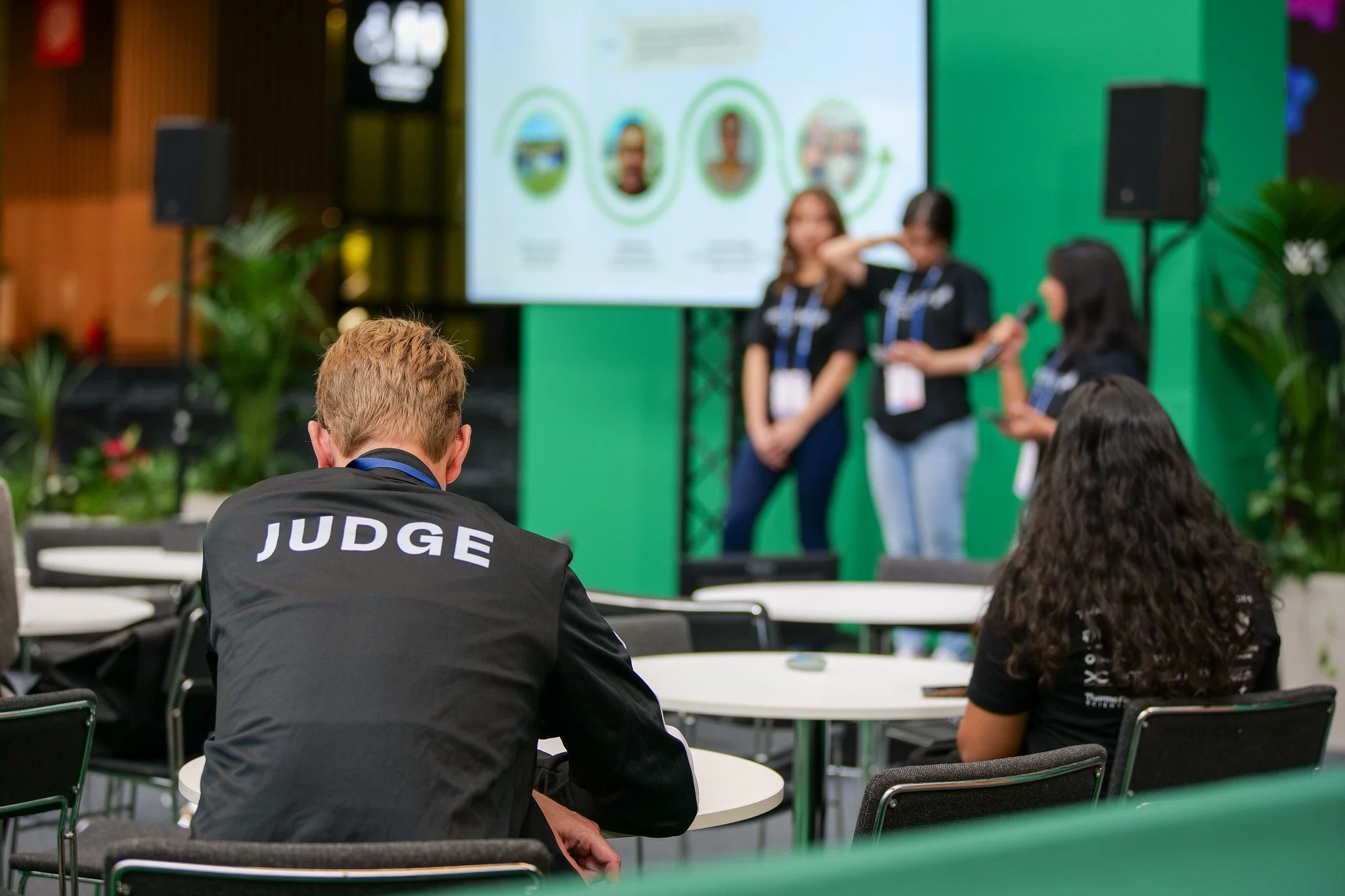
When I first heard about iGEM in 2021, I was looking for a way to help mentor and communicate with younger scientists about their research. Though it was uncertain as to whether the Jamboree would be virtual or not because of COVID-19, I wanted to get involved. I applied and was accepted to serve as a judge.
In the first post on “What is iGEM?” I asked you, the readers of the iGEM blog, to share what iGEM means to you. One of the common themes in the responses received so far is: iGEM is the pioneering organization of synthetic biology.
Industrial scale-up helps bridge the gap between laboratory experiments and real-world implementation by addressing technical, economic, and practical challenges. Because industrial scale-up will require significant innovations if synthetic biology is to continue being a game-changing industry, the iGEM Competition has an entire Village dedicated to the challenges of industrial scale-up.
In the inaugural session of the BridgeBio project’s ‘Leading Ladies of SynBio’ series, we hosted Dr. Aoife Brennan. Dr. Brennan is an experienced physician, Scientist and CEO of Synlogic Therapeutics, a leading biotechnology company.
Yeast spores are typically not considered a problem in most situations. However, yeast spores can become problematic under certain circumstances. To help mitigate this risk, all teams who want to work with spore-forming fungi, including Saccharomyces cerevisiae, must first complete a Check-In Form to get permission from iGEM’s Safety and Security Committee.
As the iGEM Competition evolves each year, so does the way we do judging. For example, the last major changes occurred during the pandemic years and made it possible for all teams to participate whether they could access a laboratory or not. Now that pandemic restrictions have eased and teams are back in the lab, the Judging Committee has reviewed the judging criteria and the feedback we received, and have defined a few goals for the 2023 Competition.
The experience that you are about to begin is truly unique. You will be given the opportunity to dream up solutions with your multi-talented team, gain meaningful insights by engaging directly with the very stakeholders who you wish to impact, and learn how to advocate for your ideas to gain the space and funding to execute on them. An iGEM Project is a crash course in the essential skills that are needed to bring a project to life.
This year, iGEM is introducing three new Villages – Agriculture, Bioremediation, and Space. Though iGEM teams have worked on projects in these areas for many years, this will be the first time teams will be gathered together within these official Villages.
Epistra Inc. CTOであり、iGEM Osaka 2012 & 2013 (Leader) のメンバーであった、Taku Tsuzukiへのインタビューです。彼は、iGEM Team Leaderでの経験から、2社の会社を創業を行ったEntrepreneurです。