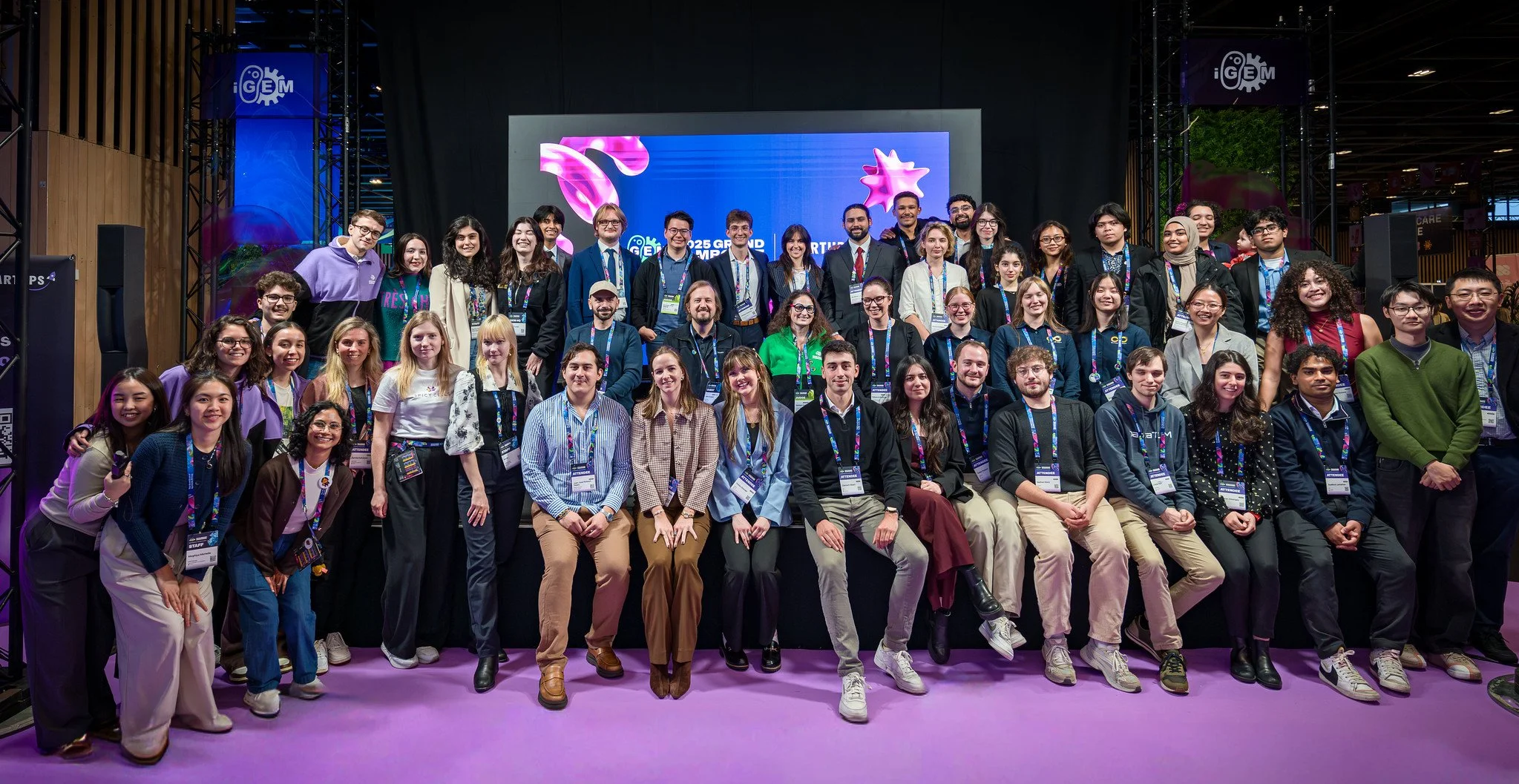
Highlights of the 2026 Venture Creation Lab
iGEM Innovation aims to support bioinnovators to turn their innovations into lasting impact. Through the Venture Creation Lab (VCL), early-stage teams are introduced to the practical foundations of building a synthetic biology venture from a research background, covering everything from customer discovery to commercialisation.
The 2026 VCL ran across four weeks from May 4-30, bringing together teams from across the globe. Building on the momentum of the April BioHackathon, the VCL provided participants with a structured pathway to take early ideas further, test assumptions, and prepare for Demo Day, in a cohort with like-minded bioinnovators.
“The Venture Creation Lab really created a strong sense of community.”
-VCL 2026 Participant
A Strong, Selective Cohort
This year, 55 teams were selected to participate in the VCL, with 36 teams selected to pitch their idea for a synthetic biology venture at Demo Day. Many teams also participated in the 2026 BioHackathon, making the 2026 VCL an important funnel within the wider iGEM Innovation ecosystem: a place where ideas formed during the BioHackathon can continue to develop into clearer startup concepts.
The cohort spanned all three iGEM Startups regions, APAC, EMEA, and the Americas (Figure 1).
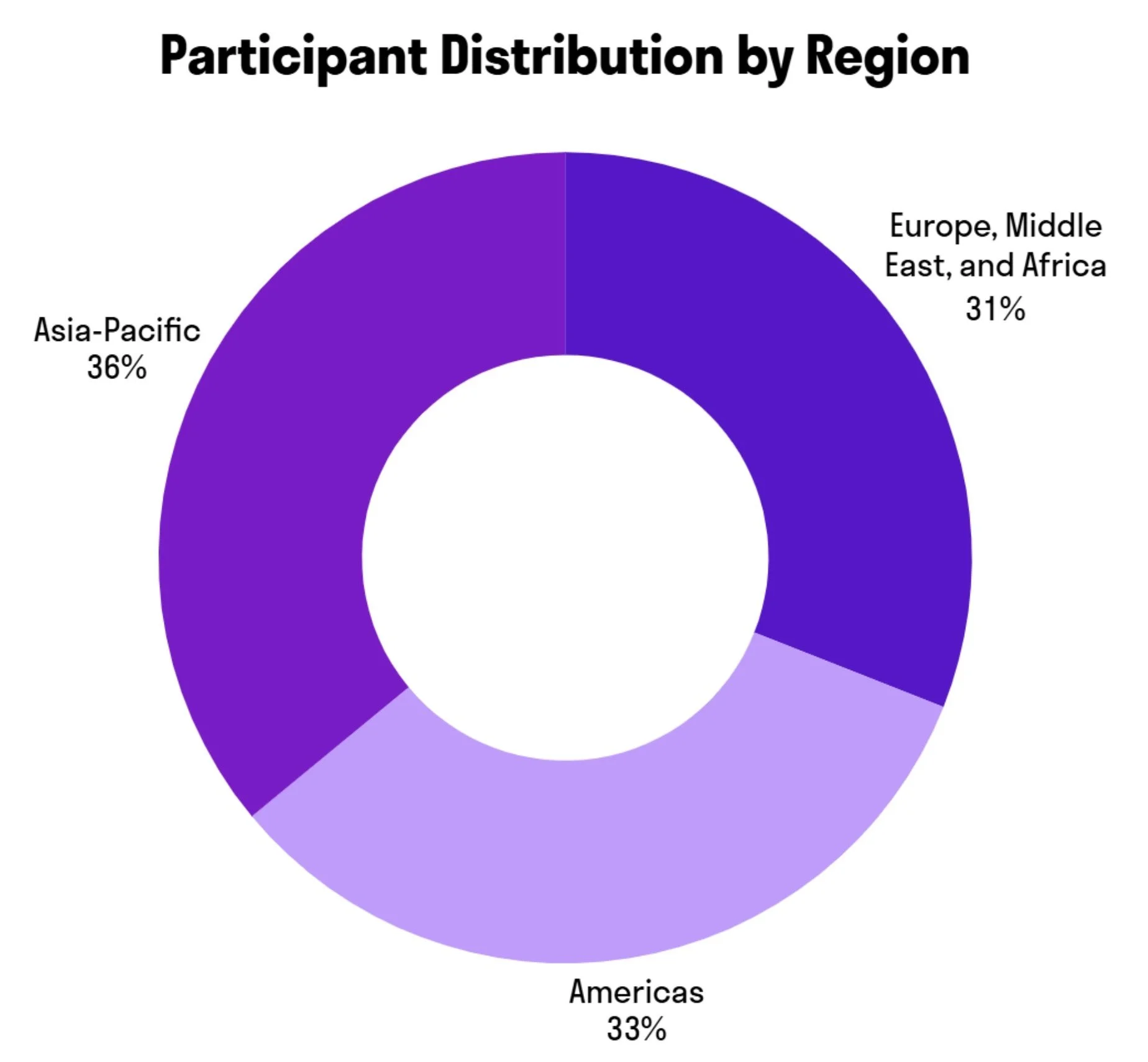
Figure 1 | Distribution of registered 2026 VCL teams by region.
A More Focused 2026 Sector Mix
Since 2019, VCL teams have been classified into three tracks and 14 villages. Of these villages, 13 were represented: Diagnostics, Therapeutics, Biomanufacturing, Software& AI, Agriculture, Bioremediation, Foundational Advance, Infectious Diseases, Oncology, Climate Crisis, Fashion & Cosmetics, Food & Nutrition and Conservation.
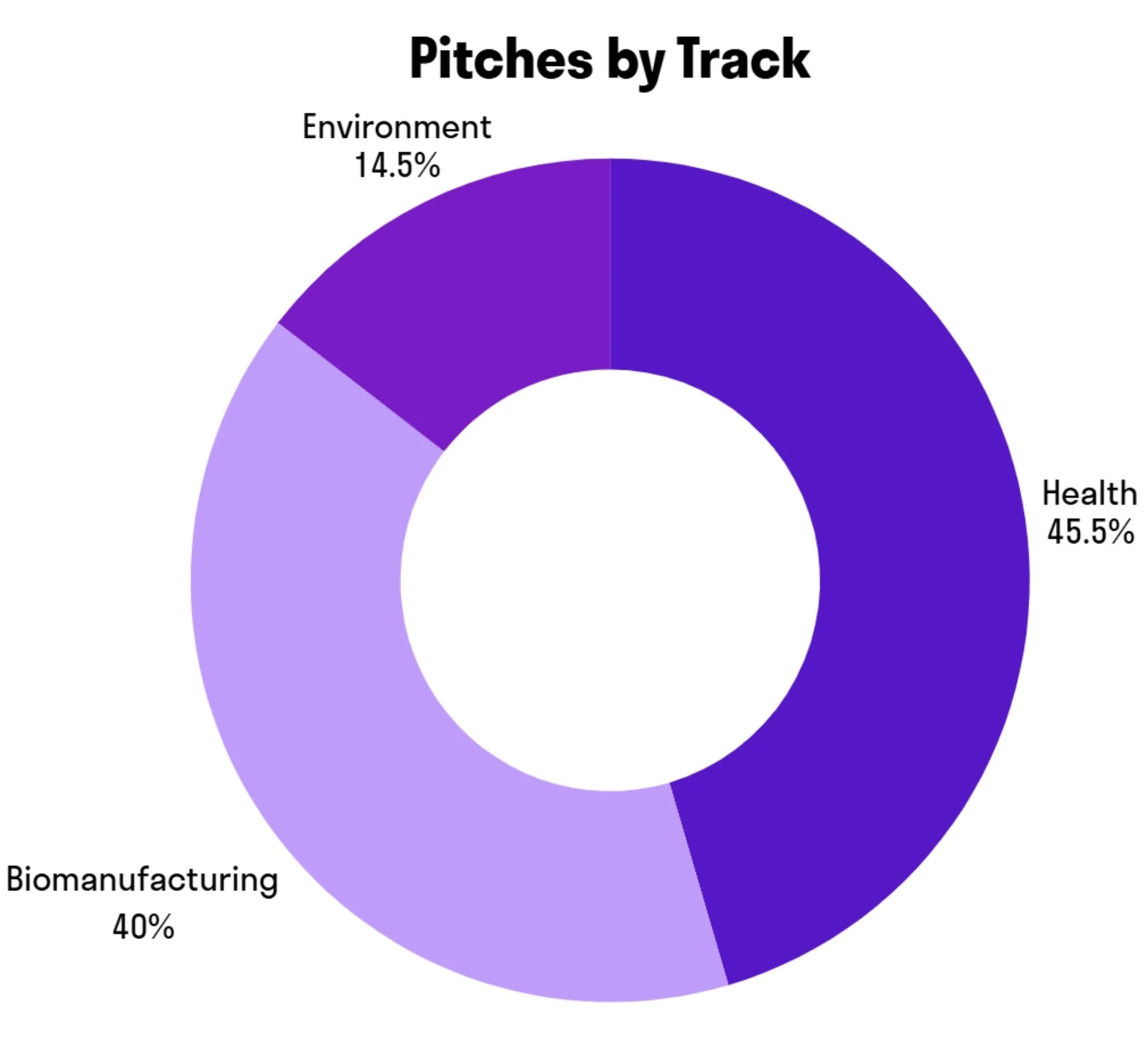
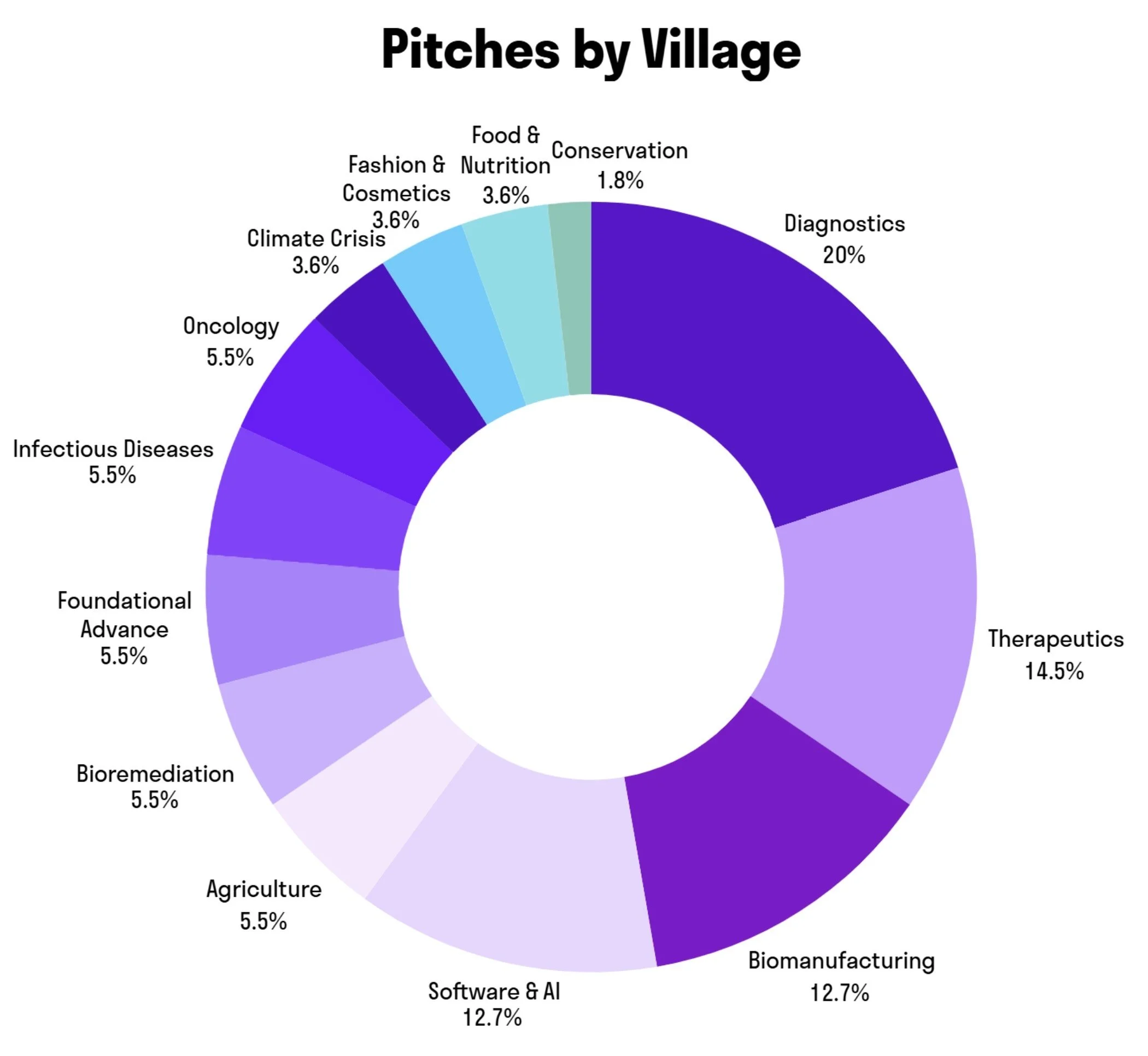
Fig 2. Village distribution of VCL teams in 2026.
In 2026, the cohort concentrated around three key villages: Diagnostics & Therapeutics led with 19 of 55 teams, followed by Biomanufacturing (7) and Software & AI (7). The remaining teams were split roughly evenly across the remaining villages (Figure 2).
From Venture Basics to Demo Day: Inside the VCL
Across the four-week programme, participants worked through key startup-building milestones over three weeks of structured workshops, with the fourth week dedicated to final pitch preparation and Demo Day itself.
Week 1 — Discover & Define: customer discovery and market analysis
Week 2 — Develop & Deliver: business models, IP, and R&D roadmap
Week 3 — Demonstrate: pitching and funding
Week 4 — Demo Day
Each week combined pre-recorded lectures, live sessions, workshops, speaker sessions, office hours, and deliverables, building toward final pitch preparation.
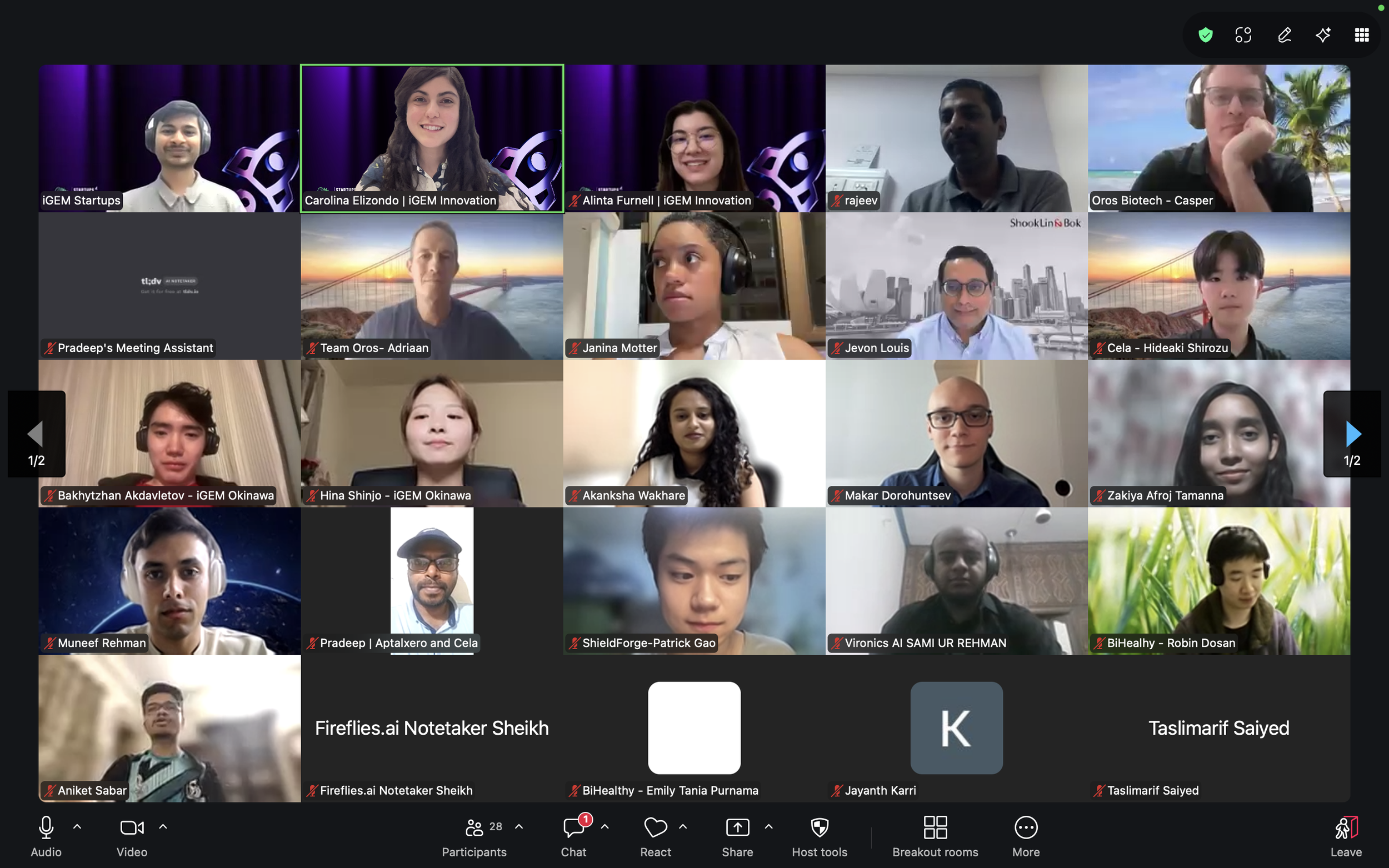
Figure 3 | VCL 2026 APAC cohort.
“I am very happy with the resources provided, as the guidelines, slides, and reading materials were clear, structured, and highly helpful.”
-VCL 2026 Participant
Weekly feedback highlighted four consistent outcomes: stronger customer discovery, a more entrepreneurial mindset, greater awareness of IP, and improved pitching and storytelling. Together, these helped teams move from research-led ideas toward more credible, deployable ventures (Figure 9).
“Hearing from founders who have already gone through the process is invaluable - real experiences cut through theory in a way lectures cannot.”
-VCL 2026 Participant
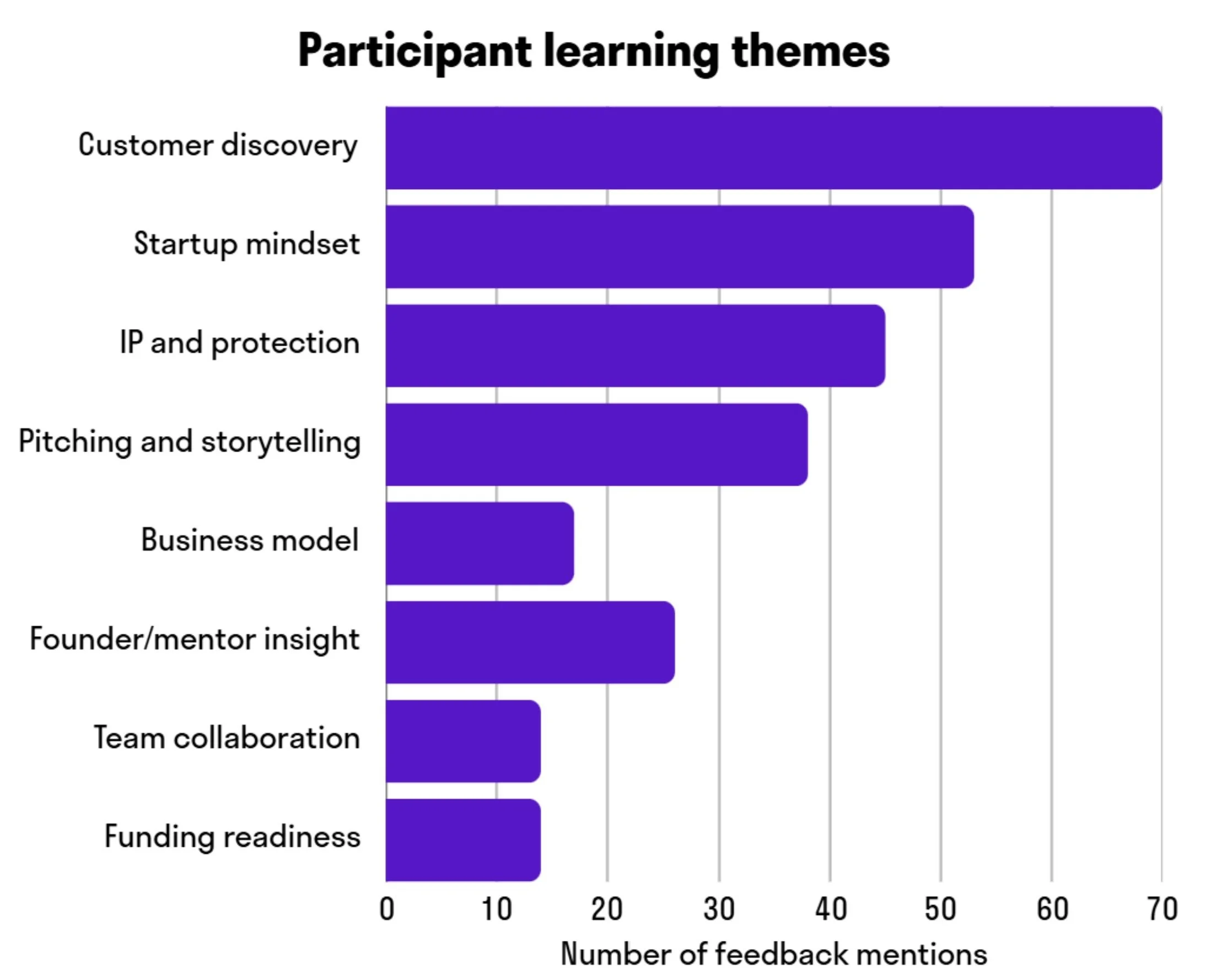
Figure 4 | Learning themes of the 2026 VCL cohort.
Programme Satisfaction
Feedback showed consistently high satisfaction with the 2026 programme. Building on feedback from the 2025 VCL, the 2026 VCL saw higher ratings for lectures and guest speaker sessions. As a highlight, teams particularly rated the Week 3 session on pitching and funding, providing practical insights for the next steps of their biofounder journeys.
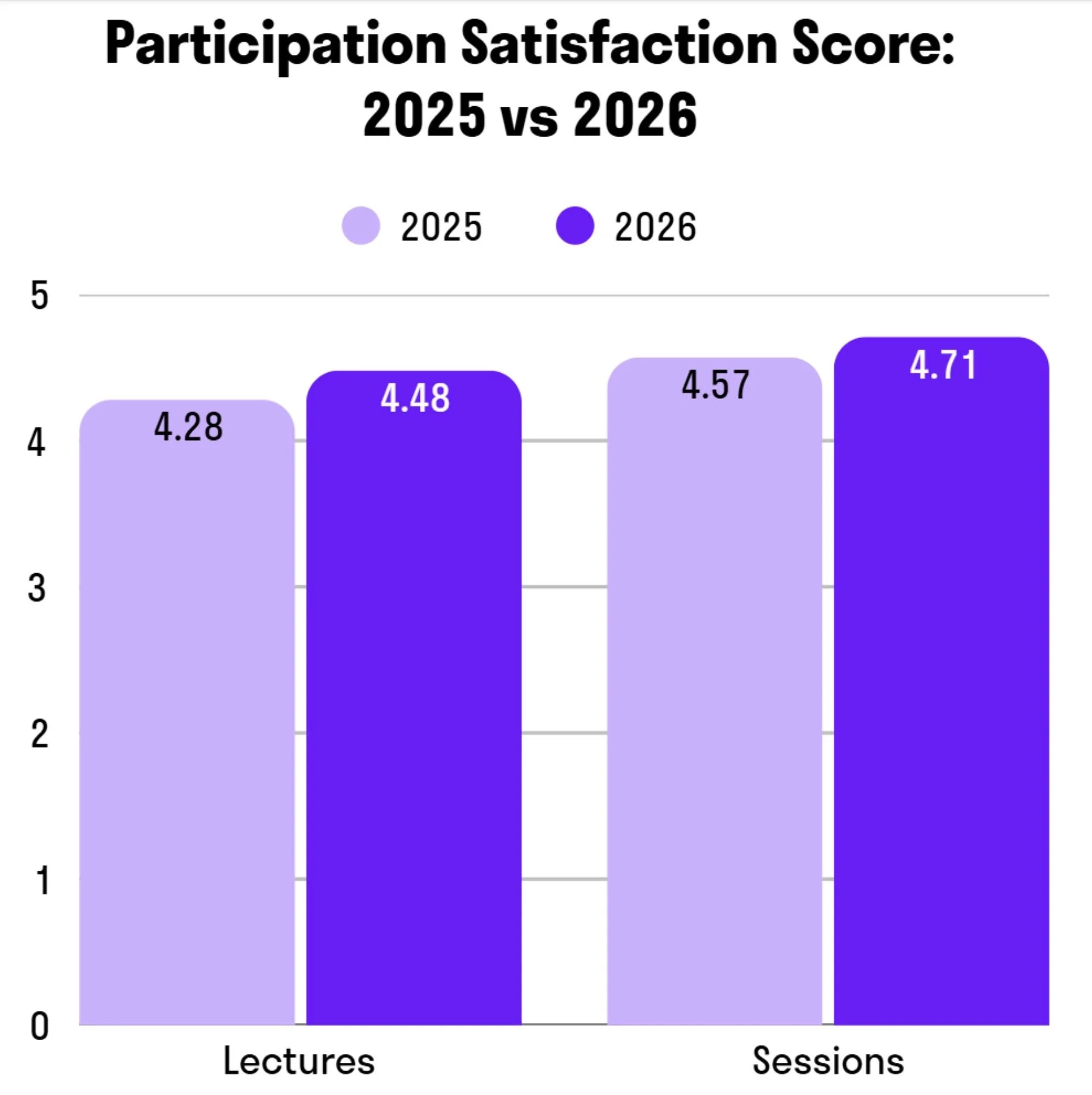
Figure 5| Weekly feedback across the 2026 VCL, compared to 2025.
Demo Day Highlights
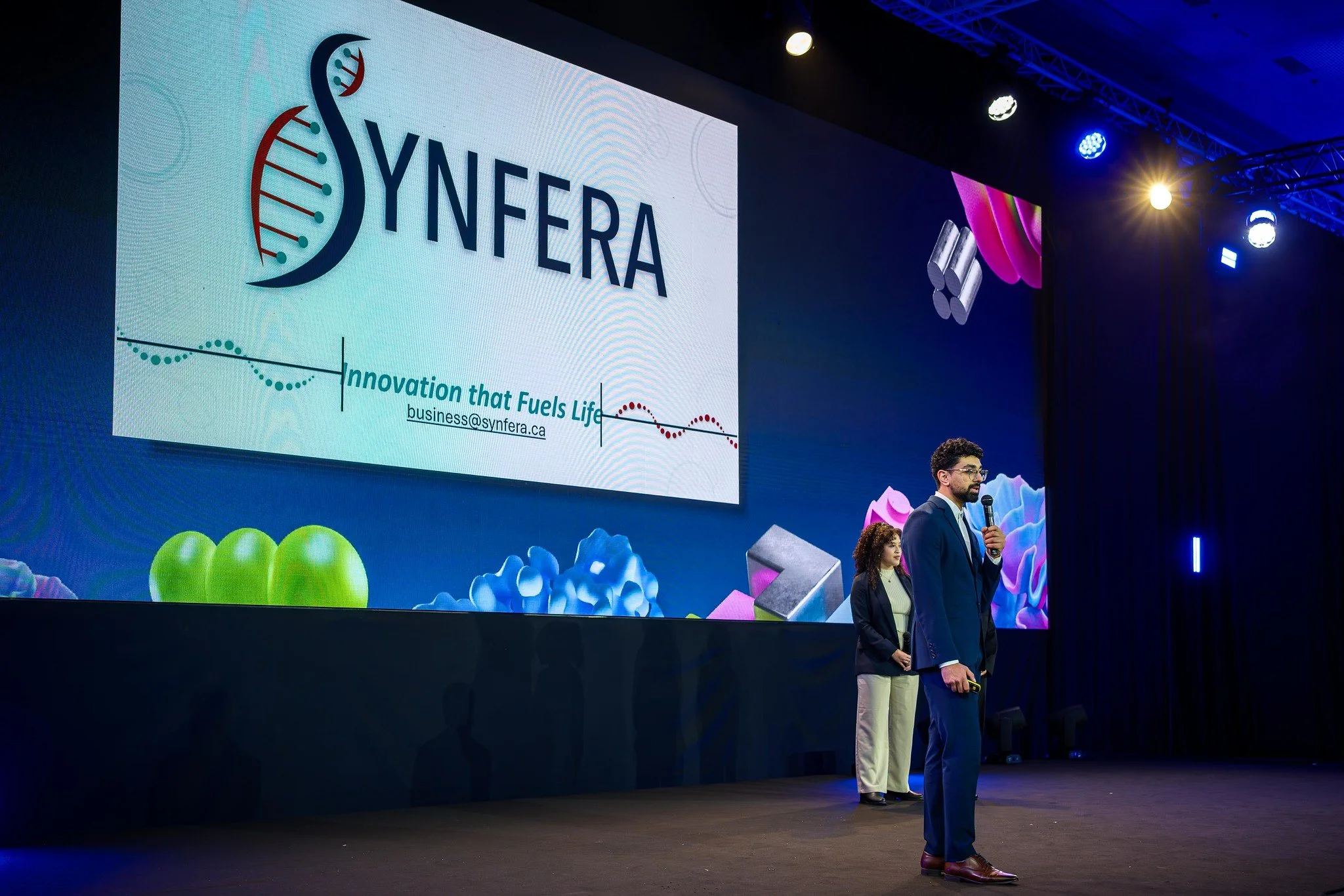
Demo Day marked the culmination of the 2026 Venture Creation Lab. Teams presented final pitches to a panel of judges, mentors, and fellow participants, showcasing ideas across health, biomanufacturing, environment, diagnostics, therapeutics, platform technologies, and sustainability.
Thank you to our wonderful judges who helped make our VCL 2026 seamless:
Americas: Ana Victoria Gutierrez, Chad Gallinat, Kenzo Salazar
APAC: Rajeev Kumar, Taslimarif Saiyed, Jevon Louis, Janina Motter
EMEA: Viktor Zahoransky, Rainbow Lo, Nicolas Krink, Fran Antequera
Congratulations to all of the 2026 VCL winners:
EMEA
Grand Prize Winner: CaptuREE
Runner-up: Shifter
Community Impact Award: Detex
Judge's Choice Award: Gallisa
Best Presentation Award: MycoDerma
Most Innovative Solution: Optic-8
Best Participation: ChronoSplice
APAC
Grand Prize Winner: Oros
Runner-up: iGEM Okinawa
Community Impact Award: AptalXero
Judge's Choice Award: Cell Forge and VironicsAI
Best Presentation Award: Cela
Most Innovative Solution: Phage Haven
Americas
Grand Prize Winner: Beagle BioWorks
Runner-up: GaitMate
Community Impact Award: XMars
Judge's Choice Award: ExPrimary
Best Presentation Award: Consyntra
Most Innovative Solution: SynFRET
Best Participation: Ashgardians
Conclusion
The 2026 Venture Creation Lab cohort shows a synthetic biology ecosystem sharpening its focus: this year's cohort clustered around diagnostics, biomanufacturing, and software — all pushing toward solutions that reach end users directly. From wearable injury-recovery tools in the Americas to AI-guided fermentation platforms in APAC and e-waste bioremediation in EMEA, teams are translating research-stage ideas into ventures aimed at real commercial and societal, climate-driven impact.
The Venture Creation Lab demonstrates how quickly the synthetic biology landscape is evolving, and where new opportunities are emerging. Want to explore the commercial potential of your own synthetic biology project? Stay tuned for the launch of early-interest registration for next year’s Venture Creation Lab!