Here we are in the future, and iGEM 2021 promises to be bright as ever. This year, we will again embrace the 4 C’s of iGEM – Competition, Community, Contribution and Celebration – as we welcome returning and new iGEMers to the 2021 season.


This blog is where we share stories, announcements, and insights from around the iGEM community.
All in iGEM Blog
Here we are in the future, and iGEM 2021 promises to be bright as ever. This year, we will again embrace the 4 C’s of iGEM – Competition, Community, Contribution and Celebration – as we welcome returning and new iGEMers to the 2021 season.
From the COVID-19 pandemic, iGEM has emerged stronger than ever before, with new paths for advancing synthetic biology and making iGEM available to virtually every community across the globe.
The iGEM Video Universe is a decisive milestone in creating the future iGEM. For the first time, it is possible to watch (or even binge-watch) the Project Promotion Videos and Presentation Videos from every team participating in the iGEM competition, as well as Keynotes, Workshops, and Interviews from the iGEM 2020 season and Virtual Giant Jamboree.
If we could choose one word to describe the iGEM 2020 Virtual Giant Jamboree, it’s resilience. In the eight months since COVID-19 was declared a global pandemic by the World Health Organization, we’ve seen incredibly resilient iGEM team members, instructors, judges, committee members, sponsors and community members emerge as role models and heroes. And their resilience shone throughout the ten days for Competition, Community, Contribution and Celebration at the iGEM 2020 Virtual Giant Jamboree.
In this exceptional year, iGEM teams have journeyed down a path that is different from any previous year, and far more challenging, exciting, and rewarding than any of us could have imagined. As we approach the eve of the 2020 iGEM Virtual Giant Jamboree (VGJ), we invite you to imagine your journey through the 4C’s of the iGEM VGJ: Competition, Community, Contribution, Celebration.
Each year since iGEM began, our community has gathered in-person to marvel at and celebrate the achievements of the teams in engineering biological solutions for global challenges and building the field of synthetic biology. Our in-person gatherings provided a wealth of novel opportunities for conversation, and fostered an easy and candid exchange of ideas and opinions, encouraged by the simple fact that everyone had left their offices and campuses behind.
We are excited to present this interview series to celebrate women in STEM (Science, Technology, Engineering, and Mathematics). The main idea of this interview series is to inspire the current and next generations of women and girls who are interested in science. For this series, we gathered speakers with diverse backgrounds and experience from different regions, all of them doing amazing jobs and leading their fields.
You are probably familiar with Mary Shelley’s novel, Frankenstein, the archetypal cautionary tale for science experiments that are not responsible or good for the world. Did you know that Mary Shelley conceived of the idea when she was 18 years old and forced inside all summer with a small circle of family and friends?
The iGEM 2018 Interlab study, which was just published in Nature Communications Biology, presents a cheap and easy protocol for estimating cell count and per-cell fluorescence on plate readers.
Judges start learning about your project by reading your wiki. Then, when we’re filling out our judging ballots, we look over the wiki again to make sure we’ve remembered everything right. So what does this mean for how you tell your story?
Through iGEM Insights, we aim leverage data from iGEM as a unique open and international testbed to both improve the competition and the practice of synthetic biology (and science and engineering more broadly) beyond the competition.
It was through attending the Biological Weapons Convention as an iGEM Delegate that I realized how neglected biosecurity issues were and fully embraced the duty that scientists have to engage with policy-makers.
The iGEM 2020 Global Meet-up celebrated the diversity and international spirit of our community, with more than half of the events and activities organized by the iGEM teams themselves.
At iGEM, it is important to give credit where credit is due. Indeed, integrity, honesty and respect are among the iGEM values that all teams are expected to uphold.
The SDGs are 17 goals that are set to be achieved by the global community by 2030, and they represent indicators of technical progress and societal goals that we and others can help strive to achieve. In particular, the SDGs are a way for institutions to align their resources and to open communications and engage with stakeholders in addressing the global challenges we face.
We invite you to join your fellow iGEMers from all over the world to connect, collaborate and celebrate at the first-ever iGEM Global Meet-up. With over 50% of the activities led by iGEM 2020 teams, the iGEM Global Meet-up is your chance to meet and engage with your fellow iGEMers!
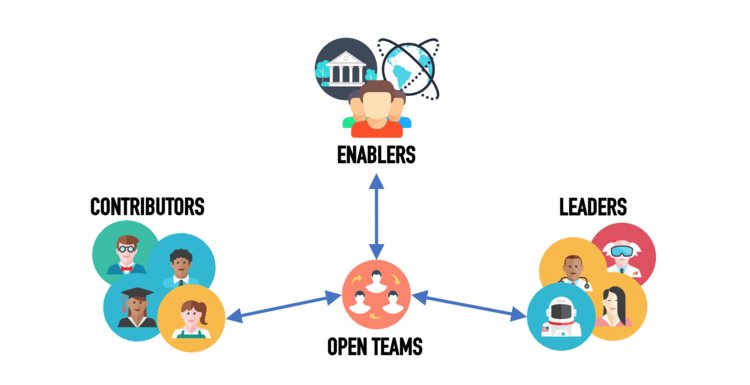
Many people, including researchers, entrepreneurs, civil servants, and activists, want to solve global challenges, but are limited because they typically work only within their own institutions and don’t necessarily have access to the right resources.
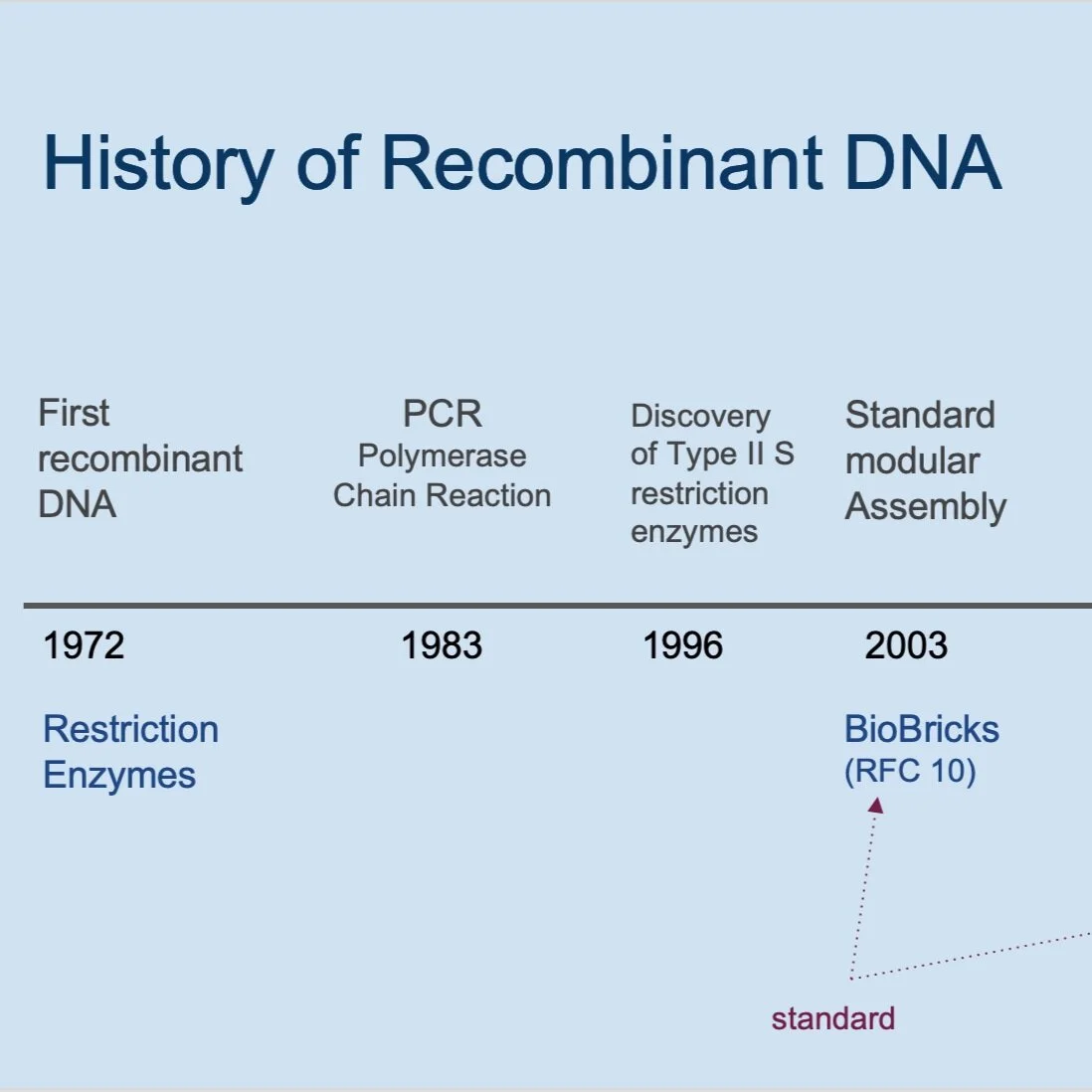
The iGEM Measurement Committee is happy to help you learn about the concepts, tools, and resources that are available to iGEM teams. In this post, we address three questions:
What is cloning and gene assembly?
Why is cloning and gene assembly important?
How is cloning and gene assembly done?
At Benchling, our mission is to fundamentally transform how biology research is done. We accomplish this through developing software that eliminates busywork and enhances collaboration for all scientists, including iGEM teams.