
The 2026 BioInnovation Landscape: What VCL Reveals About Global Industry Trends
The 2026 Venture Creation Lab (VCL), brought together emerging biofounders from across the Americas, Asia-Pacific (APAC), and Europe, the Middle East and Africa (EMEA). Analysis of this year's cohort reveals an innovation landscape that is becoming increasingly concentrated around three priorities: earlier, more accessible diagnostics, scalable biomanufacturing, and environmental applications designed for real-world deployment. In this analysis, we investigate how the current cohort aligns with global 2026 industry trends.
This is the second article in a three-part series. Next up, we will be diving deep into the APAC Biomanufacturing landscape with an expert commentary piece. Check out our broader VCL summary here.
A Focused 2026 Sector Mix, Global Trends
VCL teams were categorised with the help of the 15 iGEM villages: Diagnostics, Therapeutics, Biomanufacturing, Software & AI, Agriculture, Bioremediation, Foundational Advance, Infectious Diseases, Oncology, Climate Crisis, Fashion & Cosmetics, Food & Nutrition and Conservation, Space and Art & Design. These villages represent major synthetic biology verticals, each centred on a more specific problem landscape.
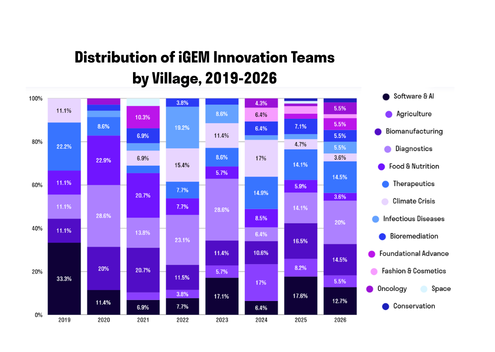
Figure 1 | Village distribution of iGEM Innovation teams from 2019 to 2026.
In 2026, the cohort concentrated around three key villages: Diagnostics & Therapeutics led with 19 of 55 teams, followed by Biomanufacturing (8) and Software & AI (7).
A few trends explain this concentration. Across all three regions, we're seeing a growing interest in scalable platform technologies: AI-assisted products and services designed to be deployable at the end-user level rather than staying confined to long development pipelines. It aligns with what MMC Ventures calls the emerging "lab-in-the-loop" TechBio model, in which AI acts as a co-scientist, enabling more targeted experiments and faster iteration [1].
Examples within the 2026 VCL cohort include:
Phage Haven, APAC (VCL APAC Most Innovative Solution): an AI-driven virtual platform using de novo generation and in silico design to identify viable phage candidates.
AnastoAI, EMEA: Machine-learning-powered clinical decision-support tool for detecting early-warning patterns after surgery.
Health-focused teams leaned into early detection, continuous monitoring, and non-invasive biosensing. These diagnostic trends align with the global rise of precision medicine, also reinforced by the WHO's 2026 resolution promoting the development of targeted and personalised healthcare technologies, highlighting digital health data sources [2].
HelioSynth, APAC: microfluidic, cell-free biosensing platform for real-time, noninvasive detection of disease biomarkers, founded by an ex-NASA AI researcher.
NeuroXense, Americas: an accessible, non-invasive solution for early-stage Parkinson’s disease detection, bringing together 20+ years of experience across academic research and the biotech industry.
SenseBio, EMEA: a programmable oral theranostics approach for colorectal cancer prevention, combining detection and therapeutic intervention in a more targeted format.
A Cohort of Expertise and Experience
The 2026 cohort brought together participants at very different stages of their entrepreneurial journeys, from undergraduate students to academic professors and experienced biofounders.
ExPrimary (VCL Americas Judge’s Choice) for example, is developing high-performance, lower-cost mobile analytical instruments and brings more than 75 years of combined relevant experience to the problem.
MycoFab, meanwhile, has continued to develop its venture since forming it through an iGEM team-building event in 2021.
Phage Haven, a team of three undergraduates, entered VCL in the exploration and idea phase, and went on to win APAC’s Most Innovative Solution award.
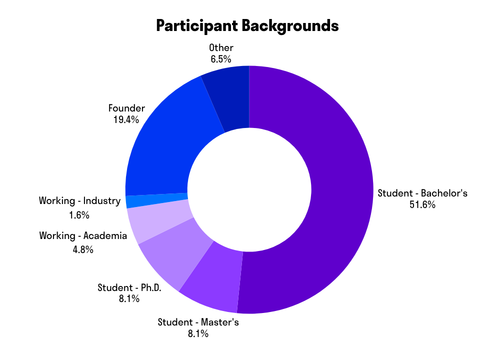
Figure 2 | Backgrounds of participants in the 2026 VCL cohort.
Regional Trends
Americas: Diagnostics on the Rise, AI as an Efficiency Tool
Seventeen teams from the Americas participated, with a marked increase in Diagnostics and Therapeutics ventures compared with 2025, while Software & AI held roughly steady (Figure 3). Of the three regions, the Americas cohort aligned most closely with the overall global trends: teams leaned heavily towards platform technologies and health-monitoring solutions rather than long, single-asset discovery pipelines.
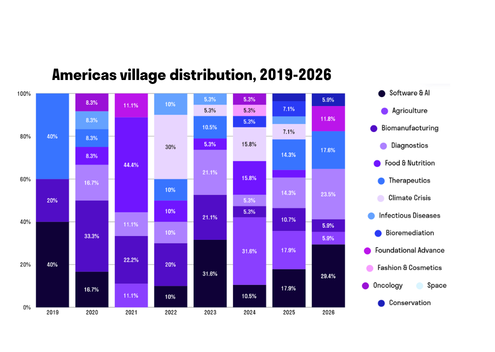
Figure 3 | iGEM Innovation sector distribution in the Americas.
The cohort reflects the direction of the US digital-health market. Rock Health's H1 2026 funding overview put total digital health funding at $7.4B, up year-over-year, with one of the largest single raises going to Whoop’s Series G round, a pioneer in wearable health data acquisition tools [3, 4].
Digital health is also seeing a shift toward direct-to-consumer (D2C) launches3. Meanwhile, AI giants are forming data-integration partnerships with such D2C healthcare companies. GaitMate (VCL Americas Runner-Up) is well-positioned here, with a wearable biosensing platform for real-time injury recovery feedback.
The Americas cohort also showed strength in agriculture and environmental applications. Ashgardians (Canada, VCL Americas Best Participation) is developing synthetic biology solutions for invasive-species management. In Latin America, Radar AgTech LAC 2026 mapped 2,656 agricultural technology startups across 23 countries, including 427 companies whose primary technologies are biological [5]. This demonstrates the scale of the ecosystem surrounding ventures such as Consyntra, a team of academics and serial founders (Mexico, Best Presentation Award in VCL Americas), engineering synthetic microbial communities that boost crop yields and reduce fertiliser use.
Mexico has a particularly distinctive profile: biological technologies appear in 41.7% of its mapped agritech startups, compared with 26.5% across the region [6]. This creates a strong context for companies such as Syngua, having a generative AI approach that targets veterinary biologics design specifically to shorten R&D timelines. They are also supported by major regional initiatives such as Brazil’s $103.1 billion agricultural credit programme, thanks to which Latin American agritech is developing beyond standalone farm products into a connected ecosystem spanning animal health, AI, climate resilience, finance and market access [7]. For bioinnovators, the opportunity lies not only in creating new biological technologies, but in validating, scaling and integrating them into the region’s agricultural infrastructure.
APAC: Biomanufacturing Surges
20 teams represented APAC this year, with the largest representation in Biomanufacturing, followed by Diagnostics & Therapeutics (Figure 4).
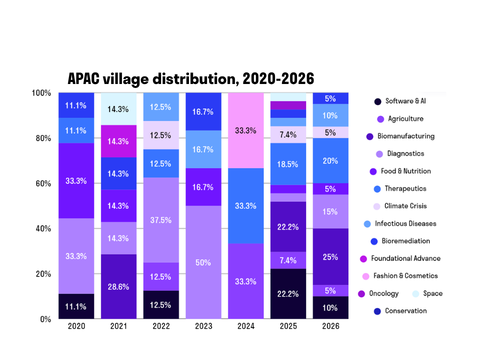
Figure 4 | iGEM Innovation sector distribution in APAC.
The rise in biomanufacturing tracks the platform biotech trends: here, AI is increasingly used to design enzymes, genetic circuits, and phage candidates, while other ventures focus on improving underlying production infrastructure through novel fermentation platforms and lower-cost devices.
The global white biotech market, covering biofuels, biomaterials, biochemicals, and industrial enzymes- the same categories several APAC teams are targeting- is valued at roughly $454.6 Billion in 2026, projected to grow at a 6.2% CAGR through 2031 [8]. APAC is already a leader in biofuel and bioplastic production. This growth is reinforced by regional governments treating biotechnology as a strategic industry and investing in the infrastructure needed to build globally competitive biomanufacturing hubs [9].
Notable VCL teams include:
Oros (VCL APAC Grand Prize Winner) — a synthetic biology platform for industrial fermentation, biomanufacturing, biofuels, and bioremediation, built upon the founder’s 17-year academic research experience.
iGEM Okinawa (VCL APAC Runner-Up) — an AI platform for industrial enzyme engineering under low-pH conditions.
Cell Forge (VCL APAC Judge's Choice) — a novel ciliate-based precision fermentation platform for recombinant proteins, with both founders bringing academic research background with several publications.
Diagnostics ran a close second, with ventures developing paper-based HPV tests, non-invasive opioid detection, and real-time biosensing platforms. A notable example is VironicsAI (VCL APAC Judge's Choice), which is designing viral-targeting proteins for chronic hepatitis B.
Our next article will dive deeper into these trends and the scale-up challenges that could determine whether APAC converts its growing capacity into lasting global leadership. Stay tuned for the next report!
EMEA: Doubling down on Environmental Solutions
18 teams from EMEA participated, representing a strong mix of Biomanufacturing, Diagnostics & Oncology, and Bioremediation (Figure 5). Diagnostics was the most populated village of the three, centred on early detection, prevention, and personalised intervention. Biomanufacturing applications focused on improving the engineering and measurement of biology. Climate-focused ventures used biological production to create lower-impact alternatives from waste, fungi, and microbes.
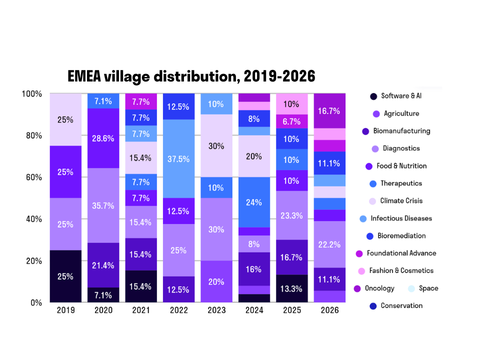
Figure 5 | iGEM Innovation sector distribution in EMEA.
Notable teams:
CaptuREE (VCL EMEA Grand Prize Winner) — engineered bacteria for metal recovery from e-waste. A spinoff of iGEM Lausanne 2025, which also won the Best Entrepreneurship Prize in the overgrad track.
Optic-8 (Egypt, VCL EMEA Most Innovative Solution) — a smart-glass sandwich using Bacillus to filter infrared heat and blue light, for better sleep quality and energy efficiency.
PolyUnblend – Developing a thermally stable, engineered enzyme selectively degrading synthetic polymers within blended textile fibers for efficient recovery and recycling.
Europe’s established clean-industry policy environment continues to create demand for scalable environmental solutions, particularly in waste recovery, resource efficiency and lower-impact production. EU cleantech venture investment fell 35%, from €2.0 Billion in Q4 2025 to €1.3 billion in Q1 2026, with capital increasingly shifting towards areas such as recycling and decentralised resource systems, which is relevant to ventures such as CaptuREE [10].
MENA (Middle East + North Africa) is also emerging as an important clean-industry growth region and is positioning itself as a global leader with $642 Billion in investment. Egypt leads the region by project volume with investments exceeding $100 Billion [11], creating a relevant landscape for Optic-8.
On the diagnostics side, EMEA leaned heavily towards at-home detection and preventive care, similar to the Americas. ChronoSplice (Sweden, VCL EMEA Best Participation) is developing a biological-age predictor based on RNA splicing. Detex (Ghana, VCL EMEA Community Impact Award) is developing a prostate-cancer diagnostic, while SenseBio is based in Saudi Arabia.
Saudi Arabia is positioning itself as a regional biotechnology leader through its National Biotechnology Strategy, launched in 2024 under Vision 2030. The strategy aims to create 11,000 biotechnology jobs by 2030 and identifies precision medicine as a priority area [12]. This provides a supportive policy context for health-focused ventures emerging from the region.
Where Sectors Intersect: A Global View
To identify patterns extending beyond individual villages, we examined pairwise relationships between each team’s iGEM village and a broader industry sector, comparing the 2026 cohort with 2025. This approach captures how teams in different villages may address related commercial or technological problems.
The broader sectors used in this analysis were AI, Bioinformatics & Software; Agriculture & Food; Biomanufacturing; Diagnostics & Therapeutics; Education & Knowledge Platforms; Environmental & Climate; and MedTech & Health. Each VCL team was assigned both an iGEM village and one of these broader sectors.
The strongest 2026 intersections were Diagnostics village × Diagnostics & Therapeutics sector, Biomanufacturing village × Biomanufacturing sector, and Therapeutics village × Diagnostics & Therapeutics sector (Figure 6).
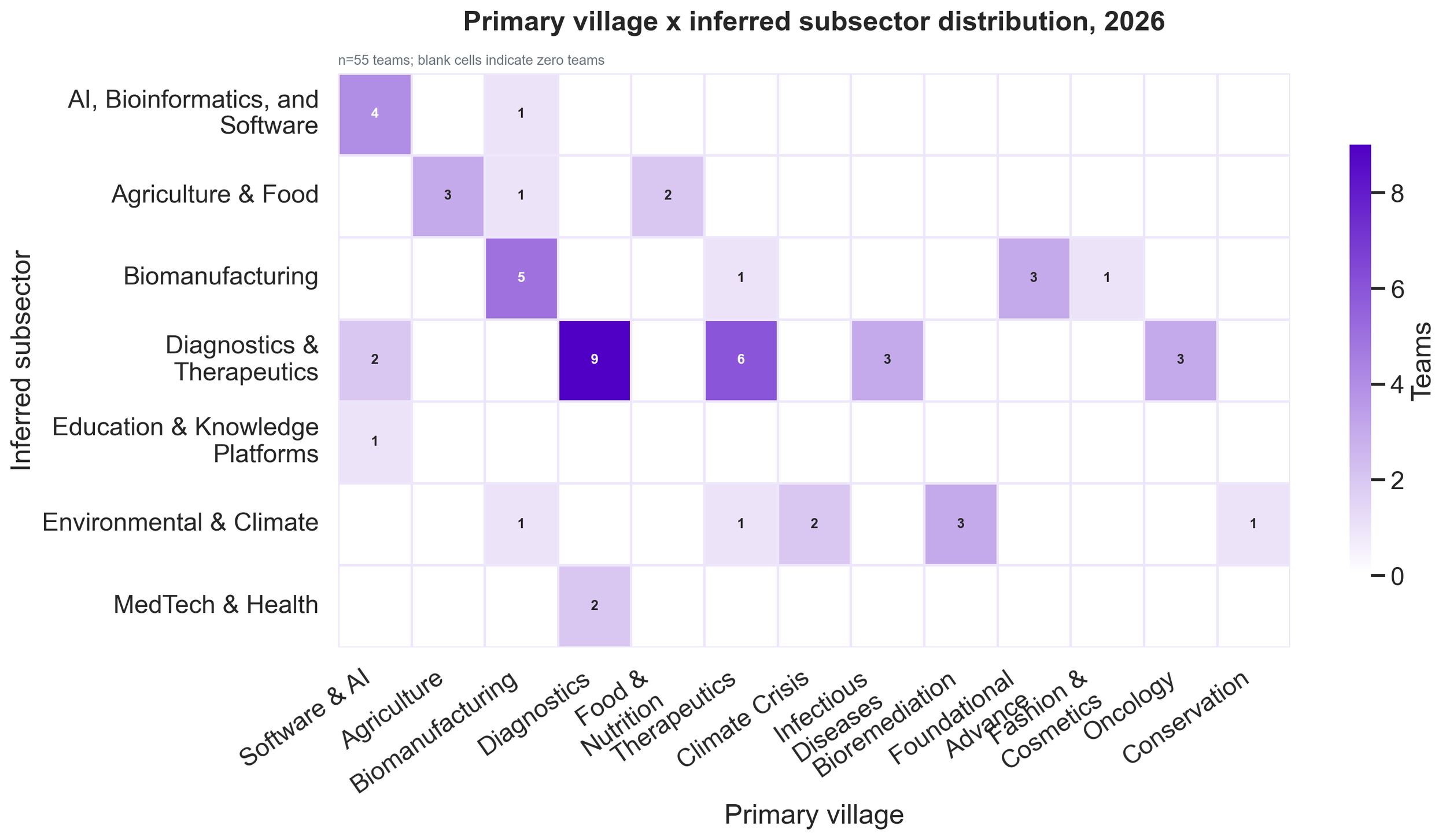
Figure 6 | Pairwise intersections between primary sectors and inferred sub-sectors in the 2026 VCL cohort.
Compared with 2025, the clearest positive movement occurred where the Diagnostics and Oncology villages intersected with the Diagnostics & Therapeutics sector. Infectious Diseases also recorded a notable increase. Together, these shifts suggest growing interest in cancer diagnostics and tools targeting a wider range of conditions. Teams in this space include Gallisa (VCL EMEA Judge’s Choice Award), developing a Lyme disease testing device at the Infectious Diseases x Diagnostics & Therapeutics intersection, and Detex, at the Oncology village x Diagnostics & Therapeutics intersection.
There was also a strong rise at the Foundational Advance × Biomanufacturing intersection (Figure 7), including ventures such as ExPrimary. This indicates growing interest in tools and methodologies that enable biological production, reinforcing the wider increase in biomanufacturing activity across the cohort.
The most significant negative shift ran the other way: interest in the Software & AI village fell sharply across all relevant industries, reinforcing that this year's teams aren’t treating software as a standalone product. Globally, more than 88% of AI-related biotech investment is now concentrated in broader R&D workflows, such as drug-target identification and drug design [12], reinforcing that AI is becoming the natural part of how biotechnology is developed rather than operating in isolation as the product.

Figure 7 | Change in village/industry intersections from 2025 to 2026, shown as percentage-point change. In each case, the number of teams was measured in each intersection last year and this year, and the measured differences were normalised across all sectors.
The Food & Nutrition and Agriculture villages both declined across sectors compared with the previous year. This may partly reflect a fragmented global policy landscape, with uneven public support and complex approval pathways. The United States, in particular, has fallen behind parts of European countries and APAC in federal support for alternative proteins. Across all regions, further targeted funding is needed to improve the affordability and availability of these products.
Nevertheless, government interest in fermentation-derived and plant-based technologies continues to grow. The number of countries actively supporting the sector more than doubled, from 16 to at least 33, with governments investing in shared fermentation facilities, domestic production capacity and local agriculture. As this infrastructure lowers barriers to research, food and agricultural applications may regain prominence in future VCL cohorts [13].
Conclusion
The 2026 Venture Creation Lab reveals a synthetic biology ecosystem sharpening its commercial focus. Rather than distributed evenly across seven sectors, this year’s cohort concentrated on three main sectors: diagnostics, biomanufacturing, and environmental applications, with digital tools increasingly embedded within biological products rather than developed in isolation.
Want to explore what these shifts could mean for the future of synthetic biology? Join us at the 2026 iGEM Grand Jamboree, where we will unpack the full industry analysis and bring together innovators shaping the next generation of industry leaders. Get your Jamboree ticket and be part of the conversation.
Stay tuned for the next article in this series, where we take a closer look at the rise of biomanufacturing across APAC.
References
1. AI x TechBio: Featuring the future of drug discovery. MMC https://mmc.vc/research/ai-x-techbio-featuring-the-future-of-drug-discovery/.
2. World Health Assembly endorses resolution on precision medicine. https://www.who.int/news/item/22-05-2026-world-health-assembly-endorses-resolution-on-precision-medicine.
3. H1 2026 funding and market overview: Durable roots, shifting routes | Rock Health. https://rockhealth.com/insights/h1-2026-funding-and-market-overview-durable-roots-shifting-routes/ (2026).
4. Q1 2026 funding overview: Capital continues concentrating and four other market signals | Rock Health. https://rockhealth.com/insights/q1-2026-funding-overview-capital-continues-concentrating-and-four-other-market-signals/ (2026).
5. http://radaragtech.com.br/. http://radaragtech.com.br/.
6. BRAZIL, G. A. L. 16-17 M. 2027. GITEX AI LATAM 16-17 March 2027 BRAZIL. GITEX AI LATAM https://www.gitexlatam.com/.
7. White Biotech Market Size, Trends, Growth & Share Analysis 2026 - 2031. Mordor Intelligence https://www.mordorintelligence.com/industry-reports/white-biotech-market (2026).
8. Mola, F. L., Chang, K., Kapur, V., Rodriguez, B. & Ang, A. Empowering Biotech Innovation in Asia-Pacific. Bain https://www.bain.com/insights/empowering-biotech-innovation-in-asia-pacific/ (2025).
9. Cleantech Q1 Briefing 2026. https://www.cleantechforeurope.com/publications/cleantech-q1-briefing-2026.
10. Clean Industry Rising | interactive report. Mission Possible Partnership https://missionpossiblepartnership.org/clean-industry-rising-interactive-report/.
11. Saudi Vision 2030. https://www.vision2030.gov.sa/en.
12. EY 2026 Biotech Beyond Borders Report: A fundamentally strong biotech industry seeks balance amid continued uncertainty | EY - US. https://www.ey.com/en_us/newsroom/2026/06/ey-2026-biotech-beyond-borders-report-a-fundamentally-strong-biotech-industry-seeks-balance-amid-continued-uncertainty.
13. State of Global Policy - The Good Food Institute. https://gfi.org/resource/state-of-global-policy/.